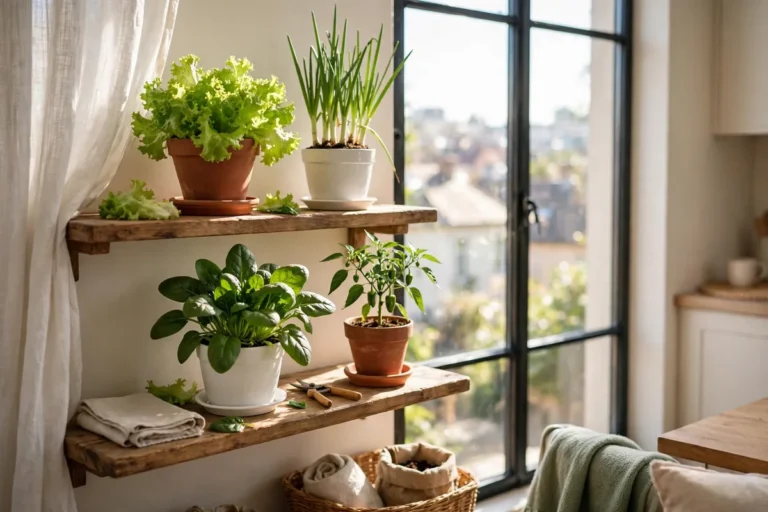
How to Grow Cucumbers in Containers: A Step-by-Step Guide
You can grow fresh cucumbers on a patio, balcony, or sunny doorstep without a traditional garden bed. The secret is to choose a variety that fits your space, give the roots enough room, and keep the potting mix consistently moist as the plant grows and produces fruit.
Growing cucumbers in containers takes a little more attention than growing them in the ground because pots dry out faster and hold a limited supply of nutrients. With the right setup, however, even a small outdoor space can support a productive plant.
This guide covers container size, cucumber varieties, soil, sunlight, planting, trellising, watering, pollination, and common growing problems, from your first seed to harvest.
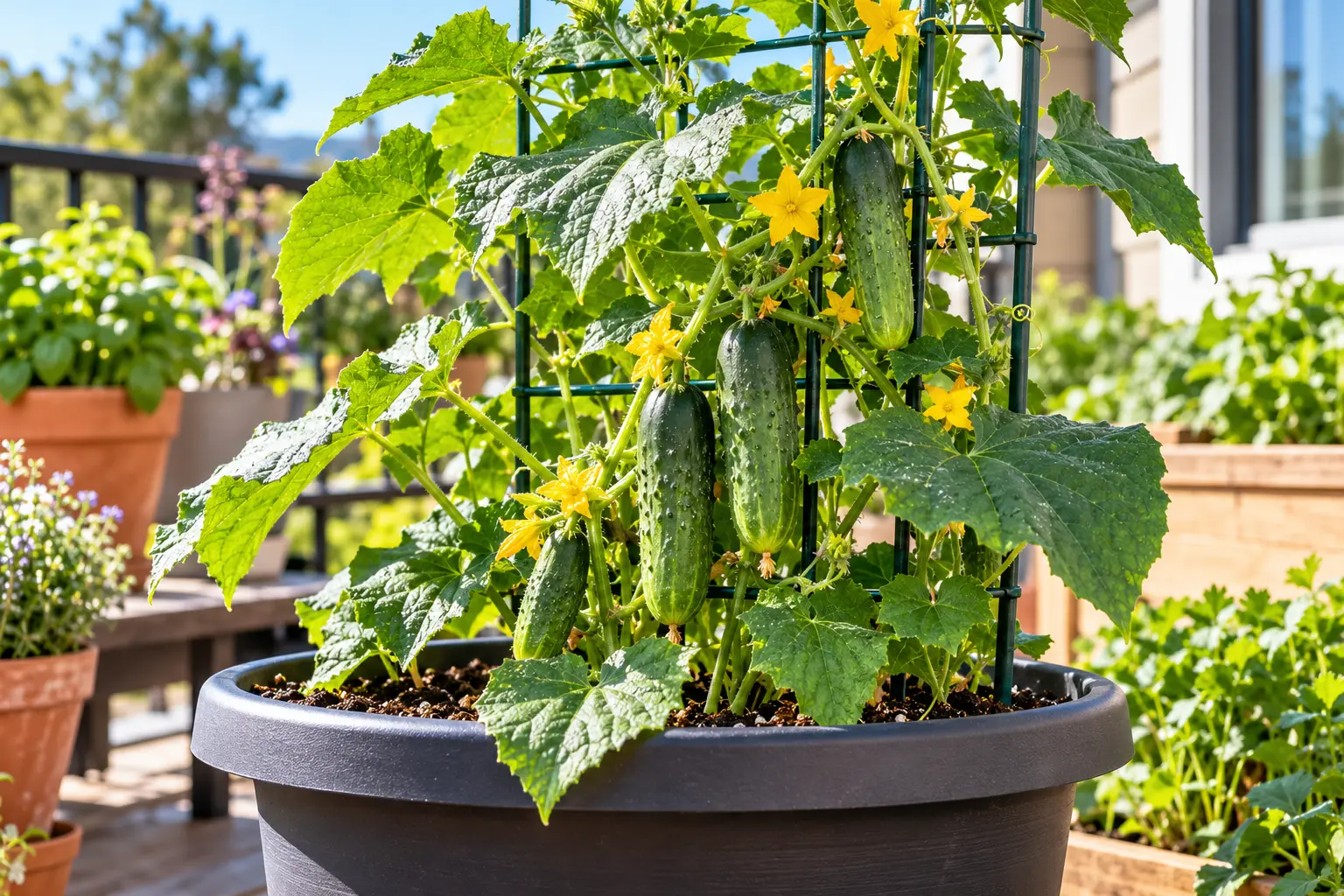
Quick Start: Container Cucumbers
- Pot size: A container of at least 5 gallons is a practical starting point for most cucumber plants.
- Sun: Choose a location with about 6–8 hours of direct sunlight.
- Soil: Use a lightweight potting mix formulated for containers.
- Planting: Follow the seed packet for planting depth and spacing.
- Watering: Check moisture daily and water thoroughly when the mix begins to dry.
- Support: Install a sturdy trellis early if you choose a vining variety.
Best beginner approach: Grow one plant in a stable, well-drained pot, then adjust watering to your weather and container size.
1. Choose the Right Container Size
Cucumber roots need room to spread, and the growing medium must hold enough moisture to support leaves, flowers, and fruit. A container that is too small can dry out quickly and restrict growth.
University of Maryland Extension lists 5 gallons as the minimum container volume for cucumbers. Colorado State University Extension also provides guidance for growing cucumbers in smaller containers under suitable conditions. For a beginner, a 5-gallon pot is a reasonable starting point, while a larger container can make moisture management easier for vigorous plants.
| Container | When to consider it | Keep in mind |
|---|---|---|
| 3–5 gallons | Compact varieties and space-limited setups | Check cultivar guidance and monitor moisture closely. |
| 5–7 gallons | A practical starting range for one plant | Choose a wide, stable container with drainage holes. |
| 10 gallons or more | Vigorous vines or gardeners who want more root space | The extra volume can help retain moisture but makes the filled pot heavier. |
These ranges are practical guidance rather than universal rules. The variety, root space, container shape, climate, and growing method all affect the best choice.
What makes a good cucumber pot?
- Several clear drainage holes.
- Enough depth and volume for the chosen variety.
- A stable base that will not tip over when the plant climbs.
- Space to install a cage or trellis if needed.
A wide pot is often more stable than a tall, narrow one. Do not put gravel at the bottom to improve drainage; use a suitable growing mix and keep the drainage holes clear.
2. Choose a Variety That Fits Your Space
Before buying seeds, check the plant’s mature size and growth habit. Cucumber varieties differ in vine length, fruit type, and pollination requirements.
Bush cucumbers
Compact plants are useful for patios and balconies where spreading vines would take up too much room. Some still benefit from a small cage or support.
Consider them if: floor space is limited.
Vining cucumbers
These plants produce longer stems and can grow up a sturdy trellis. Vertical training keeps the vines organized and makes fruit easier to reach.
Consider them if: you have room for secure vertical support.
Look for terms such as bush, compact, patio, or container on seed packets. Then check the expected plant size, days to maturity, fruit use, and pollination information.
Slicing cucumbers suit salads and fresh snacks, while pickling varieties are often selected for preserving. Some varieties work for both. Choose based on how you want to use the harvest, not just the fruit’s appearance.
If you are comparing different container crops before deciding what to grow, our guide to vegetables that grow well in pots can help. This article focuses specifically on cucumber care once you have chosen your plant.
3. Prepare the Right Potting Mix
Garden soil often becomes too dense in containers, restricting airflow and making moisture harder to manage. A lightweight potting mix designed for container vegetables is a better starting point.
Choose a mix that drains well but still holds enough water around the roots. Some commercial mixes already contain fertilizer, so check the package before adding more.
- Use fresh, container-suitable potting mix.
- Avoid heavy soil dug straight from the garden.
- Moisten the mix before planting, without saturating it.
- Leave a little space below the pot rim to make watering easier.
For a closer look at container growing media, read our guide to potting mix for vegetables. You do not need a complicated homemade recipe to get started; a suitable commercial mix can work well.
4. Find a Sunny, Warm Location
Cucumbers are warm-season vegetables. They grow best after frost danger has passed, when the weather and soil are warm enough for active growth.
- Sunlight: Aim for 6–8 hours of direct sun each day.
- Temperature: Avoid planting outdoors while frost remains a risk.
- Airflow: Leave space around the leaves to help them dry.
- Wind: Protect young plants from strong gusts that can damage stems or dry out the pot.
Balconies and patios can be hotter or windier than the surrounding garden. Observe the location before placing the pot permanently, and make sure the trellis can be secured safely.
If your growing area is small, these small patio vegetable garden ideas can help you plan the space around your container.
5. Plant Seeds or Transplant Young Seedlings
Cucumbers grow quickly in suitable conditions, and direct sowing avoids some of the root disturbance associated with transplanting. If you start seeds indoors, use individual containers and handle seedlings gently when moving them.
Step-by-step planting
- Prepare the pot. Check the drainage holes and fill the container with moistened potting mix.
- Read the seed packet. Follow the recommended planting depth and spacing for your variety.
- Sow the seeds. If you want to improve the chance of germination, sow more than one seed at the intended planting spot, following packet guidance.
- Cover and water. Cover the seeds with the recommended depth of mix and water gently.
- Maintain moisture. Keep the growing medium moist while the seeds germinate, but never leave it saturated.
- Thin the seedlings. Once they establish, keep the strongest healthy seedling unless the variety’s instructions recommend otherwise.
- Add support early. Install the trellis before the plant becomes large and its roots fill the pot.
When buying a transplant, look for healthy leaves and stems without obvious pests or damage. Keep the root ball intact as much as possible because cucumber roots can be sensitive to disturbance.
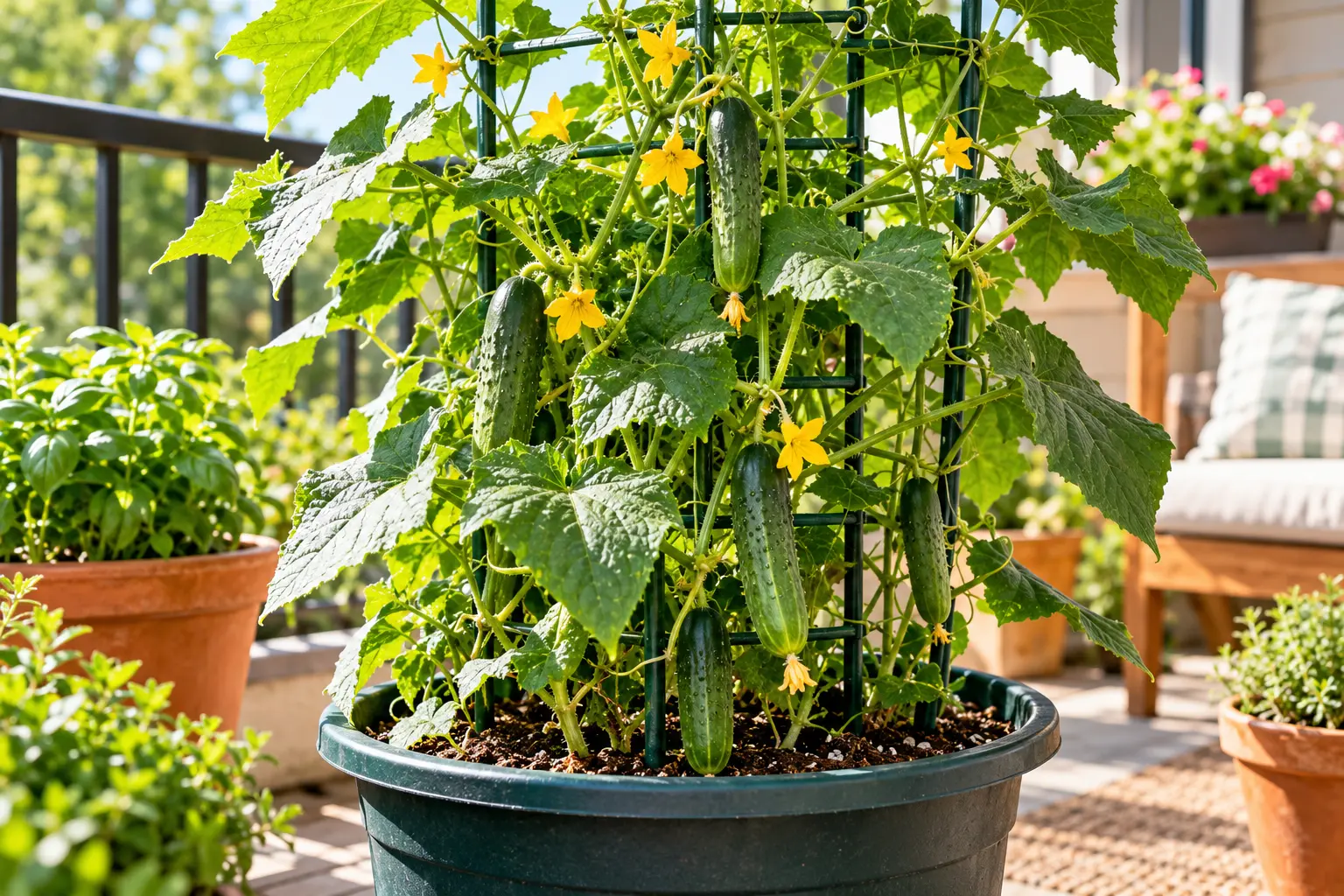
6. Train Vining Cucumbers on a Trellis
A trellis can save floor space and make cucumbers easier to inspect and harvest. It is especially useful for vining varieties, although compact bush types may need only limited support.
Choose a sturdy frame, garden trellis, or strong panel that can carry the mature plant and its fruit. Secure it against wind and position it so the container cannot tip over.
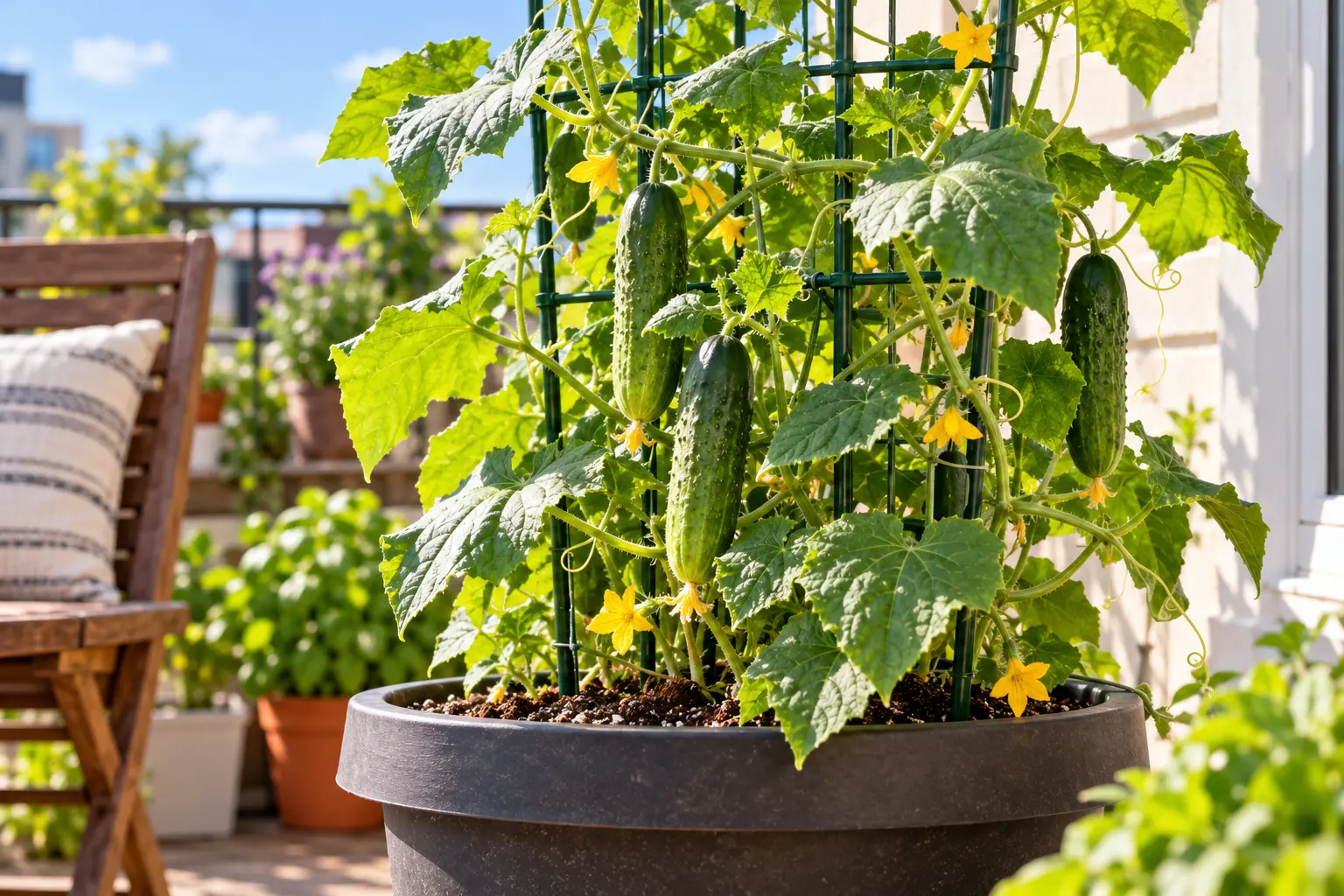
How to train the vines
- Install the support while the plant is still young.
- Guide new stems toward the trellis instead of forcing them into place.
- Use soft ties when necessary, leaving room for stems to thicken.
- Check the plant regularly and redirect growth gently.
- Harvest without pulling hard on the vines.
7. Water Consistently and Feed as Needed
Container cucumbers can dry out quickly because their roots have access to a limited amount of growing medium. A mature plant may use water rapidly during sunny, hot, or windy weather.
Watering routine
- Check the potting mix every day, especially in warm weather.
- Feel below the surface instead of judging moisture by appearance alone.
- When watering is needed, water thoroughly so moisture reaches the root zone.
- Let excess water drain from the container.
- Check again during hot afternoons if the plant wilts or the pot dries quickly.
Do not follow a fixed watering schedule without checking the mix. Pot size, container material, weather, and plant maturity all affect how quickly the soil dries.
Fertilizing container cucumbers
Potting mixes vary in nutrient content, and repeated watering can carry some nutrients out through drainage holes. Once the plant is actively growing, it may need additional feeding depending on the mix you started with.
- Check whether the potting mix already contains fertilizer.
- Use a product labeled for edible vegetables.
- Follow the label rate and frequency rather than adding extra fertilizer by guesswork.
- Check moisture, drainage, and pests before assuming pale leaves mean a nutrient deficiency.
Too much fertilizer can harm roots or encourage excessive leafy growth. More fertilizer does not automatically produce more fruit.
8. Understand Pollination: Why Flowers May Not Produce Fruit
Many cucumber varieties produce separate male and female flowers on the same plant. Pollen must reach a female flower for fruit to develop. Bees and other pollinators often transfer pollen outdoors, but a sheltered balcony may receive fewer visits.
A female flower usually has a small cucumber-shaped swelling behind the petals. A male flower sits on a slender stem without that swelling.
Why flowers fall off without cucumbers
- The plant may be producing male flowers before female flowers appear.
- Female flowers may not receive enough pollen.
- Heat, irregular watering, or other stress may affect fruit development.
- The variety may have specific pollination requirements.
Some cucumber varieties are parthenocarpic, meaning they can set fruit without pollination. Check the seed packet before choosing a variety for a sheltered balcony or greenhouse. Other varieties need pollination, and some predominantly female-flowering varieties require a compatible pollinator plant.
If pollination appears to be the issue, you can transfer pollen manually. With a small clean brush, gently transfer pollen from a newly opened male flower to a newly opened female flower. Avoid damaging the flowers, and repeat with fresh flowers if needed.
9. Troubleshoot Common Cucumber Problems
One symptom can have several causes. Check the leaves, stems, root-zone moisture, recent weather, and visible pests before changing the care routine.
| Problem | Possible cause | What to do |
|---|---|---|
| Yellow leaves | Watering or drainage issues, nutrient problems, or pests | Check moisture, drainage, leaf undersides, and fertilizer use. |
| Flowers but no fruit | Male flowers only, poor pollination, or plant stress | Identify flower types, check the variety, and maintain consistent moisture. |
| Misshapen fruit | Incomplete pollination or growing stress | Review pollination, moisture fluctuations, and temperature conditions. |
| Bitter fruit | Variety and environmental stress | Reduce moisture swings and harvest at the recommended size. Do not eat unusually bitter cucumbers. |
| White powder on leaves | Possible powdery mildew | Improve airflow and identify the problem before selecting a treatment. |
| Wilting | Dry mix, heat stress, or root problems | Check moisture first. If the mix is already wet, investigate drainage rather than adding more water. |
Check for pests
Aphids, spider mites, and cucumber beetles can damage cucumber plants. Inspect new growth and the undersides of leaves for insects, stippling, distorted growth, or chewing damage.
Identify the pest before treating it. If you use a pesticide or soap-based product, choose one labeled for the specific pest and edible crop, follow all label directions, and avoid spraying flowers when pollinators are active.
10. Harvest Cucumbers at the Right Time
Use the seed packet’s recommended fruit size and expected maturity as your guide. Harvest timing varies by variety and growing conditions, so do not rely on a single calendar date.
- Pick slicing cucumbers when they are firm and tender, before the seeds become overly developed.
- Harvest pickling varieties at the size suited to your intended use.
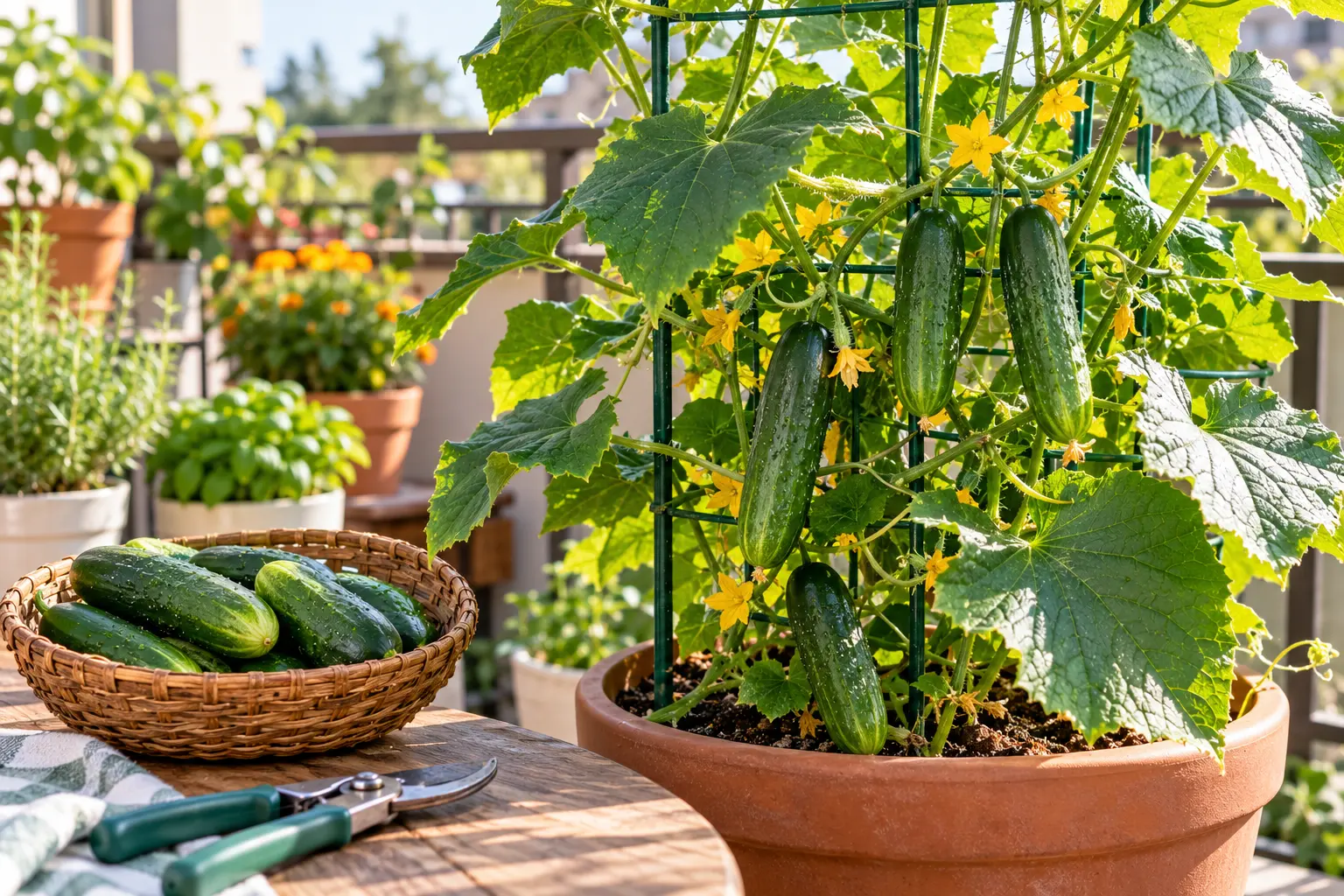
- Use clean scissors or pruning snips to cut the stem.
- Check the plant frequently once fruit begins to develop.
- Avoid pulling hard on the vine, which can damage stems and roots.
Regular harvesting helps you catch fruit at a useful size and prevents oversized cucumbers from staying on the plant unnecessarily.
Frequently Asked Questions
Can cucumbers grow in a 5-gallon bucket?
Yes. A clean, food-safe 5-gallon bucket with drainage holes can work for one cucumber plant, particularly a compact variety. A larger container may suit vigorous vines better. Never use a bucket that stored chemicals or other toxic substances.
How many cucumber plants should go in one pot?
For a typical 5-gallon container, one plant is a sensible starting point. Larger containers may support more plants depending on the variety and growing conditions, but overcrowding increases competition for water, nutrients, and airflow.
How much sunlight do container cucumbers need?
Aim for about 6–8 hours of direct sunlight daily. Enough light supports healthy growth and fruit production, although very hot weather can increase water needs and stress the plant.
Do cucumbers need a trellis in pots?
Vining cucumbers benefit from a sturdy trellis because it saves floor space and makes fruit easier to reach. Compact bush varieties may need only a cage or limited support. Choose support based on the variety’s growth habit.
Why does my cucumber plant flower but not produce fruit?
The plant may be producing male flowers before female flowers appear, or female flowers may not be pollinated. Heat, irregular watering, and variety-specific pollination needs can also affect fruit set. Check the flowers and seed packet before changing your care routine.
How often should I water cucumbers in containers?
Check the growing medium daily and water when the root zone begins to dry. Hot or windy weather can make a mature plant use water quickly. Water thoroughly, let excess drain, and avoid keeping the mix constantly saturated.
Can I grow cucumbers on an apartment balcony?
Yes, if the balcony receives enough direct sunlight and can safely support the container and trellis. Choose a compact variety for limited space, secure the support against wind, and make sure drainage water will not cause problems below.
Final Checklist for a Productive Container Cucumber Plant
- Choose a variety that fits your available space.
- Use a stable pot with drainage and sufficient root room.
- Fill it with a suitable container potting mix.
- Give the plant plenty of direct sunlight.
- Install support early for vining varieties.
- Check moisture frequently and feed according to the potting mix and fertilizer label.
- Understand the variety’s pollination needs.
- Inspect leaves and harvest fruit regularly.
Container cucumbers reward consistent care more than complicated tricks. Start with one suitable plant, learn how quickly your pot dries out, and adjust your routine as the vines grow. With enough sunlight, root space, water, and support, you can grow fresh cucumbers in a small outdoor space.