Container gardening · Beginner-friendly guide
Best Soil Mix for Vegetables in Pots
Healthy container vegetables start with a growing mix that holds moisture, drains well and leaves room for roots to breathe. Here’s how to choose a reliable potting mix, blend a simple DIY option and avoid common soil mistakes.

What Makes the Best Soil Mix for Vegetables in Pots?
A container has a limited amount of growing medium, so the mix has to do several jobs at once. It needs to hold enough water for roots to use, leave air spaces around those roots, provide physical support and supply or hold nutrients. A mix that stays saturated can leave roots short of oxygen; one that dries too fast can make watering harder to manage.
For most beginners, a commercially prepared potting mix intended for containers is the most practical starting point. Choose one with a loose, even texture rather than a heavy, muddy or clumpy product. The bag should tell you whether fertilizer is included and whether the mix is intended for containers, seed starting or another purpose.
There is no single formula that suits every pot, climate and crop. A sunny patio in hot weather may need a mix that holds moisture longer than a cool, shaded spot. Container size, watering habits and the product’s existing ingredients matter too.
Potting Mix vs. Garden Soil: Which Should You Use?
For pots, choose potting mix rather than digging ordinary garden soil out of a yard. Garden soil can become dense inside a container, limiting air movement and slowing drainage. It may also bring weed seeds or organisms you would rather not introduce to a pot.
| Growing medium | Best use | What to know |
|---|---|---|
| Container potting mix | Most vegetable pots, planters and grow bags | Usually lighter and formulated to balance moisture, air and drainage. |
| Garden soil or topsoil | Outdoor garden beds, where appropriate | Often too dense for containers when used on its own. |
| Finished compost | An amendment or one component of a suitable mix | Its texture and nutrient content vary. Compost alone is not automatically the best choice for every pot. |
| Seed-starting mix | Germinating seeds and raising small seedlings | May be too fine or low in nutrients for growing a mature vegetable through the season. |
Do not put a layer of gravel or rocks at the bottom of a pot to “improve drainage.” It takes away root space and does not fix a poorly draining mix. Use a container with open drainage holes and fill it with a suitable medium from top to bottom.
What Ingredients Go Into a Good Vegetable Potting Mix?
Understanding the ingredients makes it easier to choose a bagged product or decide whether a homemade blend needs an amendment. You do not need to buy every ingredient listed below.
1. A lightweight base: peat moss or coconut coir
Peat moss and coconut coir are used in many soilless mixes because they help retain moisture while keeping the medium relatively light. Peat is harvested from peatlands, while coir comes from coconut husks. Their properties and how they are processed vary, so follow the product directions when using either one.
If you prefer a peat-free product, look for a labelled peat-free container mix rather than assuming that every coir-based product behaves exactly like peat. Moisten very dry coir or peat gradually before mixing; dry material can be difficult to wet evenly.
2. Finished compost
Finished compost adds organic matter and can contribute nutrients. Its nutrient levels and texture are not identical from one batch to another, so do not treat compost as a precisely balanced fertilizer. Use mature, finished compost with an earthy smell, not fresh or partly decomposed material.
3. Perlite or vermiculite
Perlite is a lightweight, porous material often used to increase air space and help a mix drain. Vermiculite can hold water and nutrients while also helping keep the medium open. They are not interchangeable in every recipe. Choose an amendment to solve a real need rather than adding both automatically.
4. Fertilizer
Some potting mixes include starter fertilizer; others contain little or none. Check the label before adding another product. Vegetables may need feeding as they grow because frequent watering can carry nutrients out of a container. If feeding is needed, use a fertilizer labelled for edible plants and follow its directions. More is not better: excess fertilizer can injure roots.
A Simple Homemade Potting Mix Recipe for Vegetables
If you want to blend your own, use a recipe from a reliable horticultural source and measure each ingredient consistently. The following recipe is one option, not a universal formula for every vegetable or climate.
DIY recipe: 5 parts total
Use the same scoop or bucket for all three ingredients. For example, two buckets of peat moss, two buckets of finished compost and one bucket of vermiculite keep the proportions consistent.
This recipe is adapted from an Extension expert response. Ingredient properties differ, and the mix may need adjustments for your conditions. If you want a peat-free blend, use a tested peat-free recipe or a ready-made peat-free container mix rather than assuming a direct one-for-one substitution will behave identically.
Want a simpler option?
Use a quality ready-made potting mix for containers and follow its label. If the product or your local Extension service recommends adding finished compost, do so in the suggested proportion. The University of Maryland Extension describes several possible container media, including soilless mix on its own and a 50:50 blend of soilless mix and compost. That range is a reminder to choose based on the mix and the crop, not to add compost by habit.
Avoid mixing fertilizer into a DIY recipe unless you know what nutrients the other ingredients supply and can follow a reliable formulation. Compost nutrient levels vary, and too much fertilizer can harm plants.
How to Mix and Prepare Potting Soil Before Planting
Once you have chosen or blended your growing medium, prepare the containers before planting. A few small checks now can help prevent drainage and watering problems later.
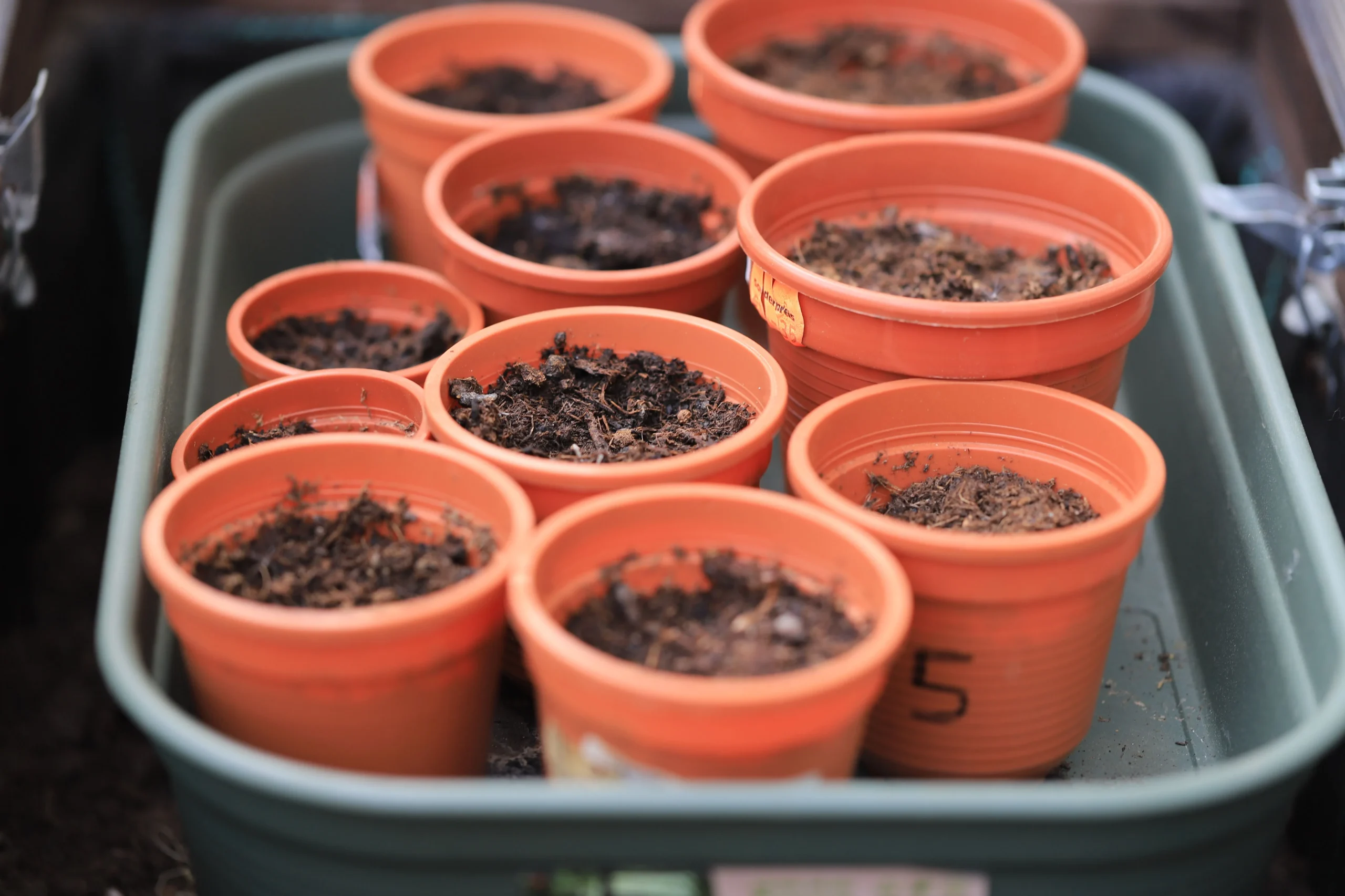
- Choose a clean mixing area. Use a clean tub, wheelbarrow or tarp and clean tools. Avoid areas where the ingredients could pick up chemicals or contaminated soil.
- Measure the ingredients. Use one container as your measuring unit and keep the ratio consistent. Break up clumps so the ingredients blend evenly.
- Add water slowly. Very dry ingredients can resist wetting. Sprinkle water in stages and mix until the medium feels evenly damp, not soaked.
- Check the texture. The mix should feel loose and crumbly, not like heavy mud. If it becomes a dense mass when squeezed, reconsider the ingredients and proportions before filling every pot.
- Prepare the container. Make sure it has drainage holes. Do not add gravel to the bottom.
- Fill without compacting. Add the mix loosely and tap the pot gently to settle large gaps. Do not press it down hard. Leave some space below the rim so you can water without washing the mix out.
- Check moisture after planting. Water thoroughly, let excess water drain, then check the mix regularly. Do not assume every pot needs water on the same schedule.
For a balcony or raised outdoor area, remember that wet potting mix is heavier than dry mix. Use stable containers and follow any building restrictions before placing several large pots in one spot.
Do Different Vegetables Need Different Soil Mixes?
Most vegetables in containers can start with a suitable general-purpose potting mix, but the container, moisture needs and growing season still matter. You usually do not need a completely separate soil recipe for every crop.
| Vegetable | What to pay attention to | Practical approach |
|---|---|---|
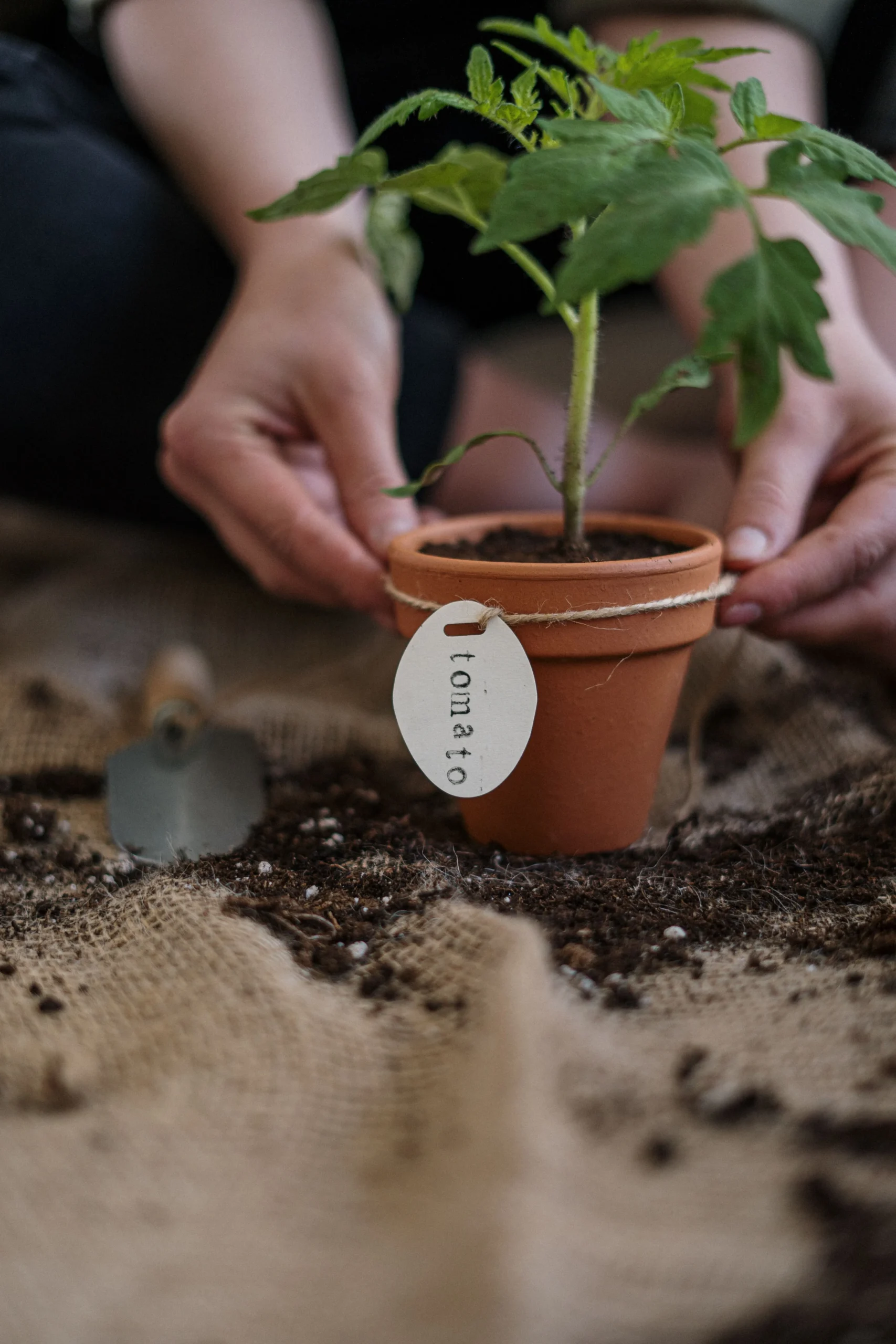
| Tomatoes and peppers | They grow for a long season and need enough root room, steady moisture and nutrients. | Use a quality container mix in a suitably large pot; check the fertilizer label and feed as needed. |
| Lettuce and leafy greens | Shallow roots and tender leaves can suffer if the mix repeatedly dries out. | Use a loose mix that holds moisture, and check containers more often during warm or windy weather. |
| Carrots and other root crops | Stones, hard clumps and compacted areas can interfere with root shape. | Choose a container deep enough for the variety and a fine, even-textured medium without large clumps. |
| Radishes and green onions | Root depth and spacing vary by variety. | Use the depth and spacing on the seed packet and keep moisture reasonably consistent. |
If you are still deciding which crops to grow, see our guide to vegetables that grow well in pots. For planning a compact outdoor setup, read how to start a balcony vegetable garden in an apartment or browse our small patio vegetable garden ideas.
Common Potting Mix Problems and How to Fix Them
Water sits on the surface or drains very slowly
Check that the container has open drainage holes and that they are not blocked. If the mix itself is heavy, compacted or persistently saturated, the product may not suit container growing. Do not try to fix it with a layer of rocks at the bottom. For the next planting, choose a better-structured container mix.
The mix dries out too quickly
Small pots, fabric grow bags, terracotta, wind and hot weather can all speed drying. Check the mix with your finger rather than relying on the surface alone. A larger suitable container may buffer moisture swings, but do not move a plant into a pot that is far too large for its root system without considering how slowly the extra mix will dry.
The mix shrinks or pulls away from the pot
Some mixes become difficult to rewet after drying out severely. Add water in several slow passes and allow it to soak in between passes. If the mix repeatedly collapses, stays waterlogged or refuses to wet evenly, replace it with a suitable fresh mix instead of repeatedly adding random amendments.
Plants look weak even though you are watering
Weak growth can have several causes, including inadequate light, root crowding, unsuitable temperatures, pests or nutrient problems. Check these basics before assuming the mix is at fault. Review the product label to see whether fertilizer was included, and feed only when needed using directions for the crop.
Can You Reuse Potting Mix for Vegetables?
Sometimes. If the previous plants were healthy and the mix has no signs of disease, it may be possible to reuse it after removing old roots and debris. The mix may have settled or lost some nutrients, so refresh it with fresh potting mix or suitable finished compost according to a reliable local recommendation.
Do not reuse mix from containers that had serious root disease or unexplained plant decline. When in doubt, discard it safely and start with fresh medium. Do not assume that adding fertilizer alone restores the structure of a mix that has broken down or become compacted.
Frequently Asked Questions
What is the best soil mix for vegetables in pots?
For most home gardeners, a quality potting mix labelled for containers is the easiest starting point. Choose one that holds enough moisture for roots but still drains freely and leaves air spaces in the mix. Before adding compost or fertilizer, check the bag because some products already contain both.
Why shouldn’t I use regular garden soil in a vegetable pot?
Garden soil can become dense when you move it into a container, especially after repeated watering. That compaction limits the air around roots and can slow drainage. Use a container potting mix instead, and check that the pot’s drainage holes are open. If you are choosing your first crops, see our guide to the best vegetables to grow in pots.
What is a simple homemade potting mix for vegetables?
A basic DIY blend can combine a moisture-holding base such as coir or peat, finished compost, and an ingredient that improves air space, such as perlite or vermiculite. The right proportions depend on the materials and the crop, so treat any recipe as a starting point rather than a universal formula. Our homemade potting mix recipe explains one measured option.
Should I add perlite to a store-bought potting mix?
Not automatically. Many commercial mixes already contain perlite, bark, or another material that creates air spaces. Read the ingredients and check how the mix behaves when watered. If it already drains well and does not stay soggy, adding more perlite may not help.
Do vegetables need compost or fertilizer in their potting mix?
They need suitable nutrients as they grow, but you may not need to add them at planting. Finished compost can contribute organic matter and nutrients, while some potting mixes include starter fertilizer. Check the label first, then follow the fertilizer directions for the crop and container size to avoid overfeeding.
How can I stop potting mix from drying out too fast?
Small pots, terracotta containers, wind, and hot weather can all speed up drying. Use a container large enough for the plant, check moisture just below the surface, and water thoroughly when needed. If water runs down the sides without wetting the mix, apply it slowly in a few passes. For more ideas on setting up a compact growing area, read our guide to balcony vegetable gardening in an apartment.
Can I reuse potting mix from last season?
Often, if the previous plants were healthy and the mix still drains well. Remove old roots and debris, then refresh the mix as needed with fresh potting medium. Do not reuse mix from pots affected by serious root disease or unexplained plant decline; start fresh if you are unsure.
Can I use the same potting mix for herbs and vegetables?
A general-purpose container mix works for many herbs and vegetables. However, watering and feeding needs vary by plant, pot size, and weather, so adjust care instead of assuming every container needs the same routine. For small-space inspiration, explore our small patio vegetable garden ideas.
Start with a mix you can manage
You do not need a shelf full of amendments to grow vegetables in containers. Choose a suitable potting mix, make sure water can drain, and learn how quickly your pots dry in your own space. Adjust only when you have a clear reason.
Trusted Gardening Resources
The recommendations in this guide draw on horticultural extension guidance. Consult the original resources for additional details and adapt advice to your growing conditions.
- University of Maryland Extension: Growing Media (Potting Soil) for Containers — ingredients, growing-media properties and examples for container vegetables.
- University of Maryland Extension: Growing Vegetables in Containers and Salad Tables — container preparation, drainage and practical growing advice.
- Extension Foundation Ask an Expert: Homemade potting mix guidance — one example of a peat, compost and vermiculite recipe.
- Royal Horticultural Society: Growing Vegetables in Containers — container growing advice for home gardeners.
Tiny Garden Hub recommends checking the label on your growing medium and fertilizer. Product formulations differ, and no single mix is ideal for every crop, pot or climate.

14 Comments