
Small-space edible gardening
7 Small Patio Vegetable Garden Ideas for Beginners
Turn a compact patio into a practical place to grow vegetables and herbs. These simple layouts help you use edges, vertical space, and containers without blocking the path or making plant care harder.
Best place to start: measure your sunlight, choose crops that fit it, and plan your containers before buying supplies.
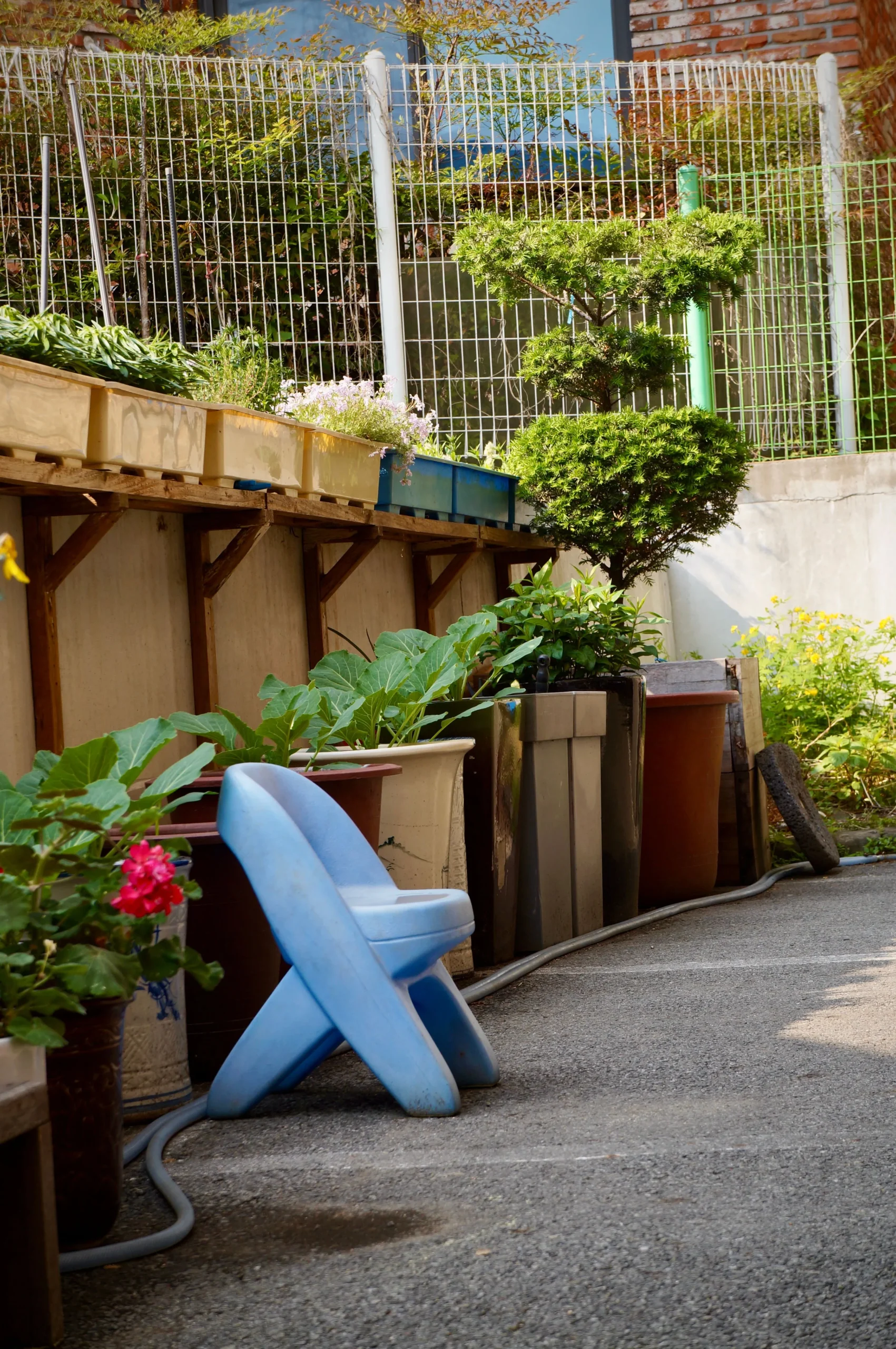
1. Line Up Containers Along the Patio Edge
Arrange your main pots along a wall or the outer edge of the patio. Keeping the center open makes it easier to walk around, water plants, and move outdoor furniture.
Use one larger container for a compact tomato or pepper, a wider planter for leafy greens, and smaller pots for herbs. Position taller plants where they will not shade shorter crops that need direct sun.
Make the layout work
- Leave a comfortable walkway instead of filling every gap with a pot.
- Check mature plant width before placing containers close together.
- Plan for drainage so water does not stain the patio or drip into a neighbor’s space.
2. Grow Upward With a Trellis
A sturdy trellis lets suitable climbing crops grow upward instead of spreading across the patio. Depending on your season and climate, try pole beans, climbing peas, or a compact cucumber variety suited to vertical support.
Choose a container that fits the crop and install the support before the plant gets large. Secure the structure properly, check it after windy weather, and never attach it to a railing or wall that cannot safely support the load.
3. Create a Small Salad-Growing Corner
For a simple first harvest, dedicate one corner to leafy crops. A wide planter can hold leaf lettuce, while another container can suit spinach, radishes, or a crop that matches your growing season.
Follow seed-packet guidance for spacing and thinning. Crowded seedlings compete for light, water, nutrients, and room. Sow small amounts at intervals when conditions are suitable if you want to spread out the harvest.
Some leafy greens tolerate less direct sun than fruiting crops, but requirements vary. Check the variety before planting.
4. Use Railing or Window-Box Planters Safely
Railing planters and window boxes can create growing room without taking up the walking area. They may suit compact leafy greens and herbs when the container provides enough depth, drainage, and light.
Use a planter designed for the railing or mounting system and follow its installation instructions. Account for the weight of wet growing mix, check building rules if you rent, and prevent runoff from dripping onto people or walkways below.
Start with one planter and monitor how quickly it dries before adding more. Small containers can heat up and lose moisture faster than larger pots.

5. Group Pots by Sunlight and Water Needs
Observe where direct sunlight falls throughout the day. Walls, fences, trees, and roof overhangs can create more shade than you expect.
Many tomatoes and peppers need around six to eight hours of direct sunlight for good production. Leafy crops such as lettuce and spinach can tolerate less in suitable conditions. Group plants with similar light and watering needs to simplify care.
- Sunny area: Consider tomatoes or peppers in suitable containers.
- Partly shaded area: Consider leafy greens suited to the available light.
- Windy edge: Secure tall plants and supports, and check moisture more often.
For more detail, see the University of Maryland Extension guide to growing vegetables in containers.
6. Mix One Larger Planter With Smaller Pots
You do not need a matching set of containers. Start with one larger pot for a crop that needs more root room, then add smaller pots for greens or herbs. You can adjust the arrangement as plants grow.
Choose container size based on mature roots and growth, not the size of a seedling. Make sure standard pots have drainage holes and use a quality potting mix designed for containers rather than dense garden soil.
If you are still choosing crops, read our guide to the best vegetables to grow in pots. That guide focuses on crop selection; this one focuses on arranging a small patio.

7. Build a Budget-Friendly Patio Garden Gradually
Begin with two or three crops instead of buying enough containers to fill the patio on day one. Choose clean, food-safe containers that are sturdy enough for outdoor use and provide suitable drainage. Never reuse containers that held chemicals or substances that could contaminate food plants.
Spend first on suitable containers, quality potting mix, seeds or healthy starter plants, and supports for crops that need them. Add more pots after you learn how sunlight, wind, and watering affect your first plants.
Reusing suitable containers can save money, but avoid choosing one that is too small simply because it is free.
Which Vegetables Suit a Small Patio?
Use this as a starting point. Exact container requirements vary by variety, climate, and growing conditions, so check the seed packet or plant label before planting.
| Plant | Why it may suit a patio | What to check |
|---|---|---|
| Leaf lettuce | Can grow in wide containers and be harvested leaf by leaf. | Light, steady moisture, and spacing. |
| Radishes | Compact varieties can fit into a small growing area. | Root depth, seed spacing, and season. |
| Compact peppers | A suitable pot can support a productive plant. | Sunlight, mature size, and container volume. |
| Cherry tomatoes | Compact or patio varieties can suit a sunny spot. | Large enough container, support, and regular watering. |
| Pole beans or climbing peas | A trellis can direct growth upward. | Season, support strength, and variety suitability. |
Four Checks Before You Plant
Measure the sunlight
Track direct sun at different times of day. Fruiting crops usually need more than many leafy greens.
Check drainage and mix
Use containers with drainage holes and a suitable potting mix. A gravel layer at the bottom is not a reliable drainage fix.
Allow for mature size
Follow spacing guidance so leaves and roots have room and plants remain accessible.
Check moisture regularly
Sun, heat, wind, pot size, and plant growth affect drying time. Water when needed and let excess water drain.
Common Small Patio Gardening Mistakes
- Filling every open space: Keep a clear path to reach every plant.
- Using undersized pots: Match container size to the crop’s mature root system.
- Blocking shorter plants: Arrange taller containers so shorter crops still get enough light.
- Ignoring wind: Secure trellises and tall plants on exposed patios.
- Forgetting runoff: Protect floors, decks, and neighbors from drainage water.
- Growing too much at once: Start with a manageable setup and expand as you learn.
Frequently Asked Questions
What vegetables grow well on a small patio?
Leaf lettuce, radishes, compact peppers, cherry tomatoes, and suitable climbing beans can work. The best choices depend on sunlight, season, container size, and variety.
How much sunlight does a patio vegetable garden need?
Many fruiting crops, including tomatoes and peppers, do well with around six to eight hours of direct sunlight. Some leafy greens tolerate less. Check the needs of each variety.
Can I grow vegetables on a patio without raised beds?
Yes. Pots, window boxes, and suitable planters can grow many vegetables when they provide enough root space, drainage, light, water, and nutrients.
How often should I water patio containers?
There is no single schedule for every pot. Check the mix regularly because container size, plant growth, sun, wind, and temperature change how quickly it dries.
What is the easiest patio garden layout for beginners?
Start with a few containers along one edge and leave the center open. This makes watering and harvesting easier while you learn what works in your space.
Keep your first patio garden simple
Choose a layout that fits your space, grow a few crops suited to your sunlight, and learn how quickly the containers dry out. Expand after you see what works.
Keep Learning
Explore these related Tiny Garden Hub guides:
- Best Vegetables to Grow in Pots — choose crops for container growing.
- How to Start a Balcony Vegetable Garden in an Apartment — plan a balcony garden from the beginning.
- Herb Garden Ideas for Small Spaces — find ways to grow herbs in limited room.
Trusted Gardening Resources
For crop-specific details, use university extension guidance and follow instructions for your variety and local growing season.
2 Comments