Best Vegetables to Grow in Pots for Beginners
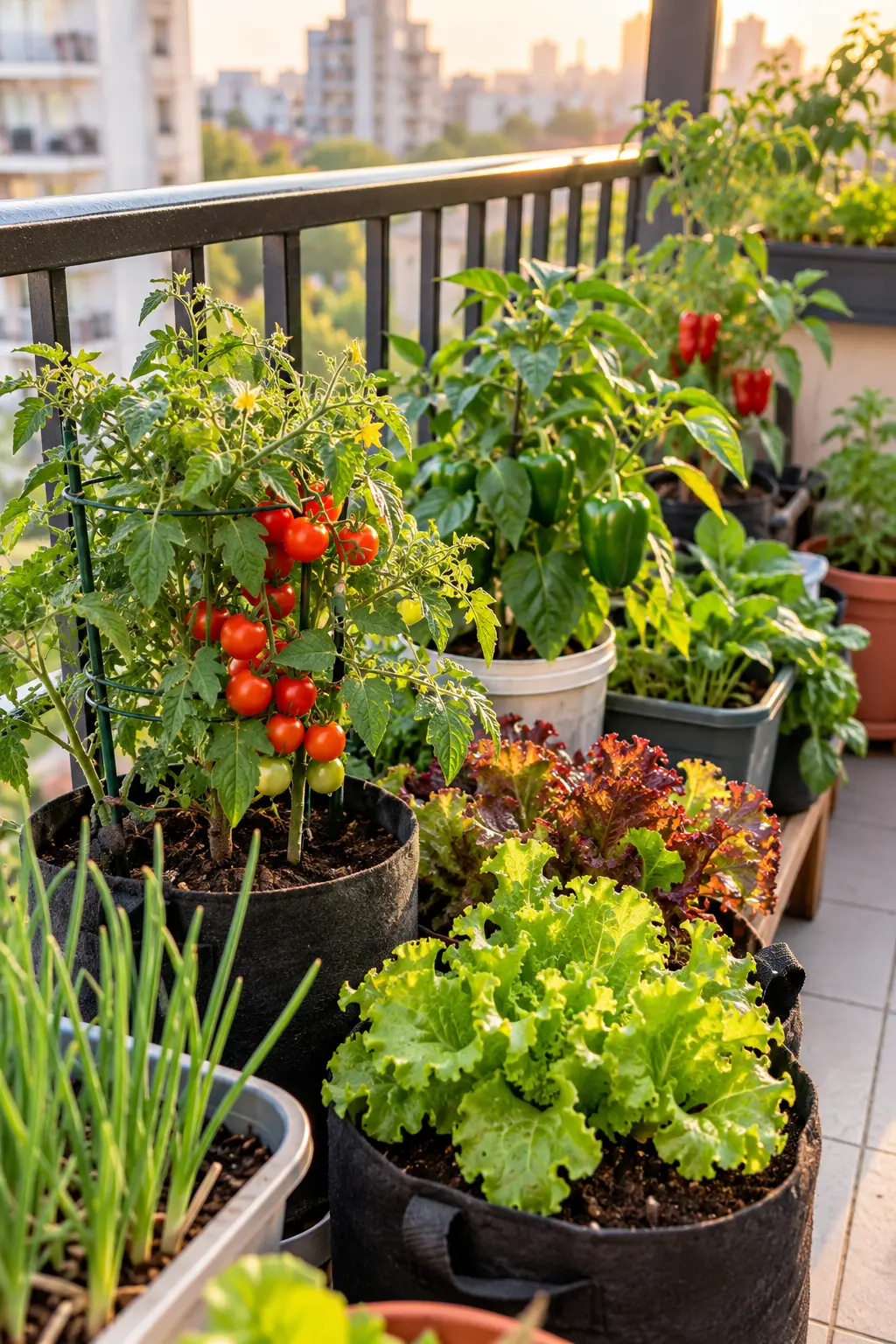
You don’t need a backyard to grow vegetables. A sunny patio, balcony, doorstep, or a few feet beside a window can be enough to get started. The trick is choosing crops that suit your light, container size, and available space—not trying to squeeze a full garden into one pot.
This guide covers beginner-friendly vegetables for containers, what each crop needs, and how to avoid the common setup mistakes that make potted plants struggle.
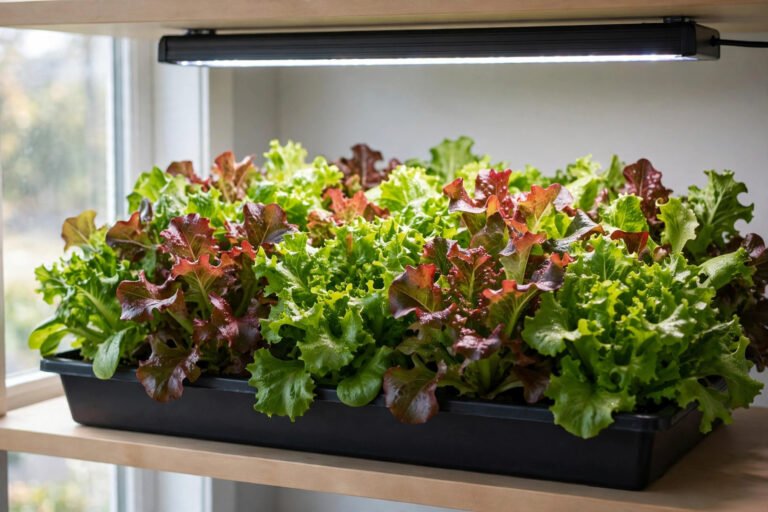
Growing inside instead? This list is for pots outdoors. For windowsills and shelves, see our guide to growing vegetables indoors.
How to Choose Vegetables for Pots
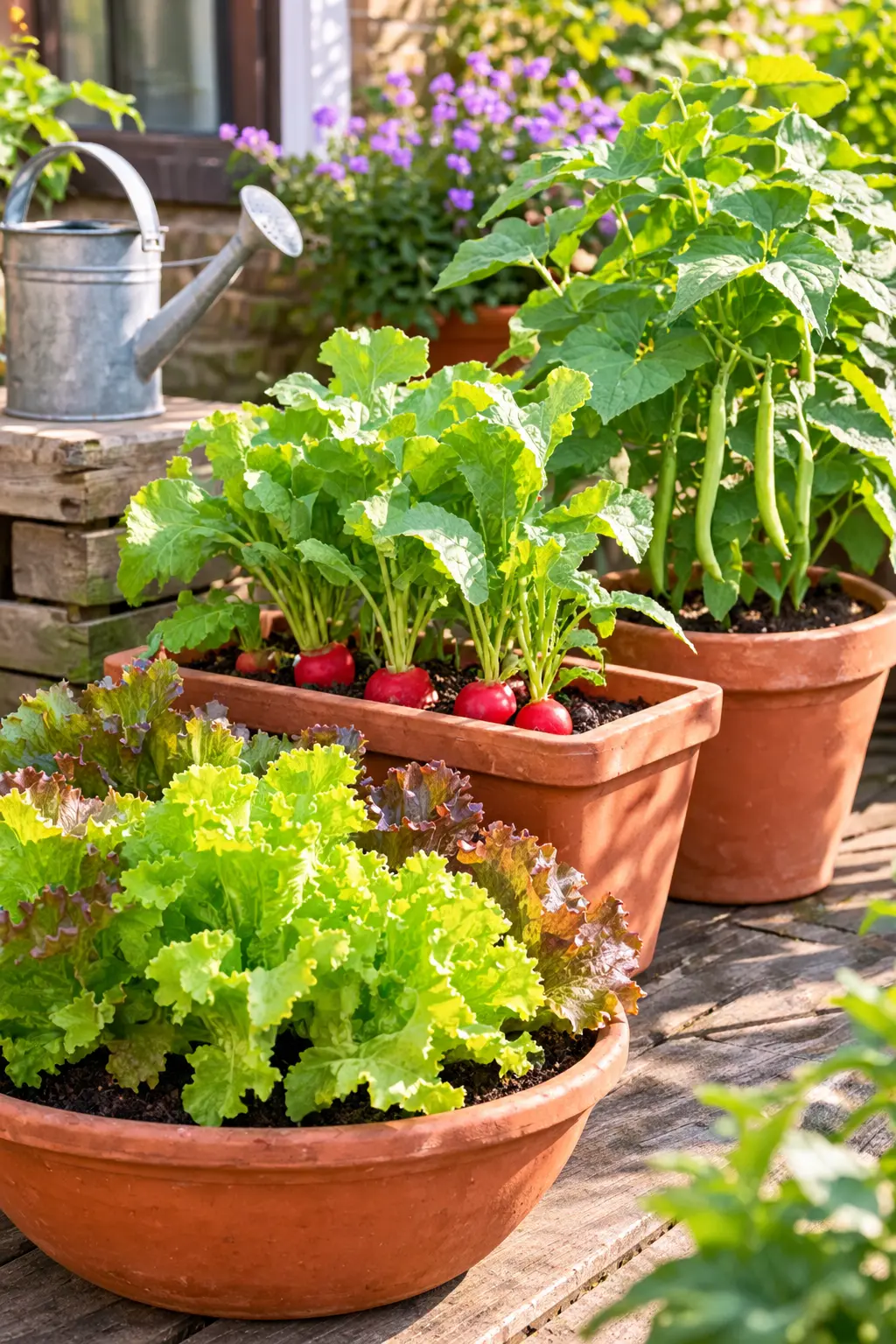
Before buying seeds, look at the space you actually have. These four checks will help you narrow the list and avoid choosing a plant that outgrows its container.
1. Check how much sunlight reaches the spot
Fruit-bearing crops such as tomatoes and peppers usually need at least six hours of direct sunlight a day. Leafy greens such as lettuce and spinach can tolerate cooler conditions and may appreciate some shade, especially when the weather turns hot. Watch your balcony or patio through the day before you decide what to plant. For a warm, sunny spot, eggplant is another fruiting option; see our guide to growing eggplant in containers.
2. Match the pot to the plant
A shallow planter can suit lettuce and radishes, but a full-size tomato needs much more root room. Bigger containers also hold moisture longer, which can make watering easier during warm weather. Always check the seed packet or plant label for spacing and container recommendations.
3. Look for compact varieties
Seed packets may describe plants as bush, dwarf, patio, or determinate. These terms can help you find varieties with a more manageable growth habit. Compact plants still need enough root space, light, and airflow.
4. Think about the shape of your space
A narrow balcony may work best with a railing-safe planter and a few upright plants. A sunny patio can accommodate larger pots for tomatoes and peppers. If you want more ideas for arranging edible plants in a tight area, see our guide to herb garden ideas for small spaces. The same space-planning principles can help you organize vegetable containers, too.
8 Beginner-Friendly Vegetables to Grow in Pots
These crops offer a practical starting point, but no vegetable is completely effortless. Your results depend on the variety, season, local climate, sunlight, and how consistently you water.
1. Leaf Lettuce
Why try it: Leaf lettuce grows well in a relatively shallow planter and lets you harvest outer leaves while the plant continues growing. It is a sensible option for a first container garden.
Best setup: Use a planter with drainage holes and keep the mix evenly moist. Give lettuce morning sun or partial shade when afternoons are hot. Warm conditions can make it bolt or turn bitter.
2. Radishes
Why try them: Radishes grow quickly in suitable conditions and do not need a huge container. Their short growing cycle can help beginners learn how to sow, thin, and water plants.
Best setup: Choose a pot deep enough for the variety you are growing. Sow seeds at the spacing shown on the packet and thin seedlings so the roots have room to develop. Crowded radishes often form small roots.

3. Spinach
Why try it: Spinach is a compact leafy crop that suits cool growing conditions and can fit in a wide planter.
Best setup: Sow it when temperatures suit the variety, keep the soil consistently moist, and provide sun with some protection from intense heat. Spinach can bolt quickly in hot weather, so timing matters.
4. Green Onions
Why try them: Green onions grow upright, so they can make good use of a narrow container without spreading across a patio.
Best setup: Use a pot with drainage and follow the seed or set spacing instructions. Keep the roots watered and harvest when the stems reach the size you prefer.
5. Bush Beans
Why try them: Bush beans grow in a more compact form than pole beans, so many varieties suit containers without a tall climbing structure.
Best setup: Use a reasonably deep pot, give the plants a sunny location, and follow the packet’s spacing instructions. Beans need regular moisture while flowering and forming pods. Check whether your chosen variety needs support.
6. Compact Tomatoes
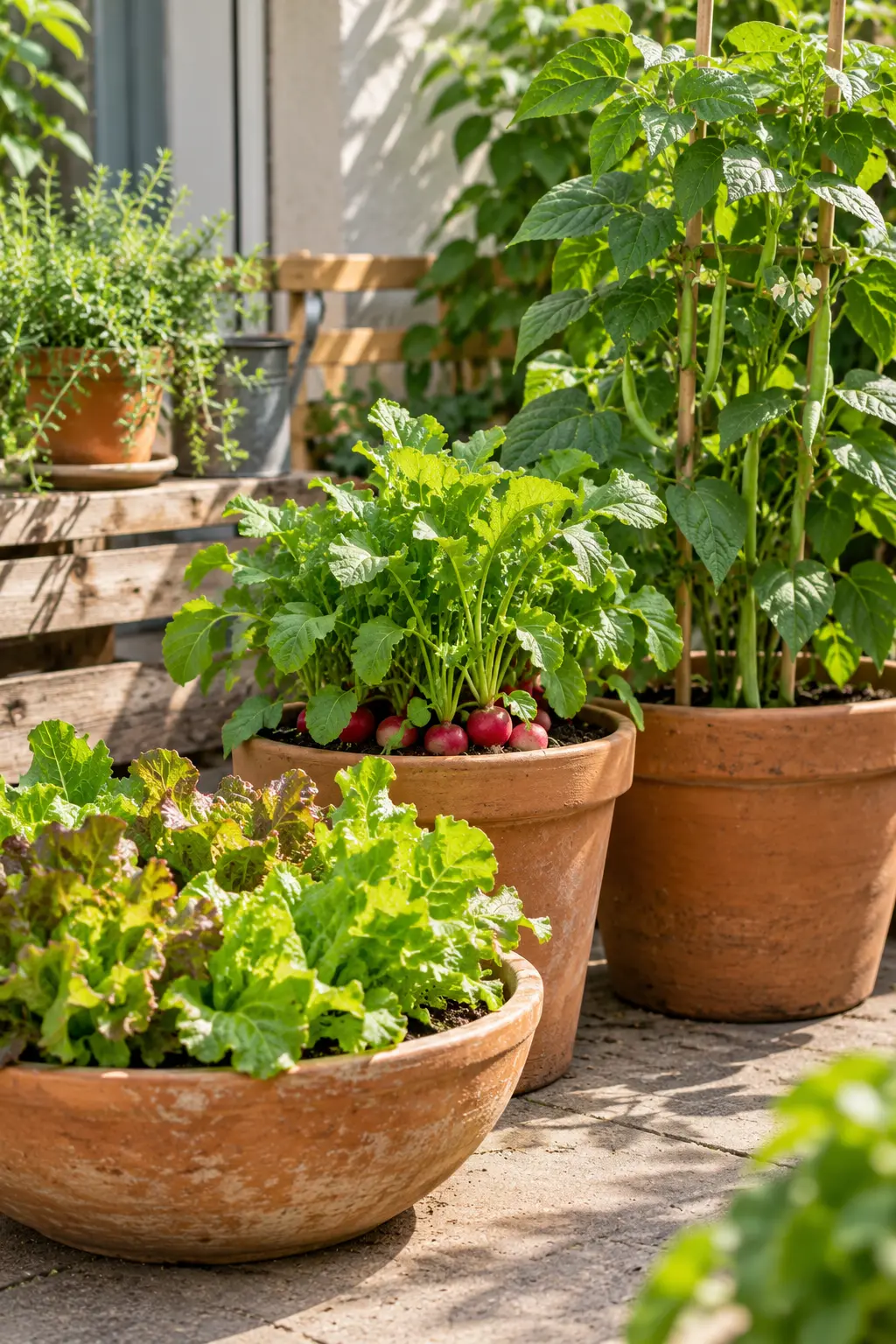
Why try them: Tomatoes can be rewarding in pots, especially compact patio or determinate varieties. They do need more space and care than leafy greens.
Best setup: Give one tomato plant a large container with drainage; Penn State Extension recommends a pot at least 20 inches wide for a single tomato. Choose a spot with at least six hours of direct sun and add a cage or stake when the variety needs support.
7. Peppers
Why try them: Pepper plants can stay fairly compact and grow well in containers when they receive enough warmth and sunlight.
Best setup: Use a stable pot with drainage and a sunny position. Penn State Extension notes that peppers can do well in a container around 14 inches wide, although the variety and growing conditions affect the best size. Keep moisture steady while the plant flowers and sets fruit.

8. Carrots
Why try them: Carrots can grow in containers, but the pot must be deep enough for the variety. Short or round varieties are often easier to manage than long-rooted types.
Best setup: Use loose, stone-free potting mix and a container depth suited to the mature root length. Sow seeds carefully, thin seedlings, and keep the mix moist while they germinate. Do not assume every carrot variety will thrive in a shallow pot.
Container Size and Sunlight at a Glance
Use this table as a starting point, not a substitute for the seed packet or plant label. Variety, climate, and container shape can change the space a crop needs.
| Vegetable | Container guidance | Light | Beginner note |
|---|---|---|---|
| Leaf lettuce | Wide, relatively shallow planter | Sun to partial shade | Keep moisture steady; protect from heat |
| Radishes | Depth suited to the variety | Sun to partial shade | Thin seedlings to avoid crowded roots |
| Spinach | Wide planter with usable root depth | Sun to partial shade | Best in suitable cool conditions |
| Green onions | Narrow pot with drainage | Sun to partial shade | Useful where floor space is limited |
| Bush beans | Deep enough for roots and stable growth | Full sun | Check spacing and variety instructions |
| Compact tomato | Large pot; at least 20 inches wide is a useful starting point for one plant | At least 6 hours of direct sun | May need a cage or stake |
| Pepper | Around 14 inches wide can work for many plants | At least 6 hours of direct sun | Keep moisture consistent |
| Carrot | Depth matched to mature root length | Sun to partial shade | Choose a container-friendly variety |
| Eggplant | 5 gal (7–10 for standard types) | Full sun (6+ hours) | One plant per pot; stake as it grows |
The tomato and pepper width examples and sunlight guidance draw on Penn State Extension’s container vegetable gardening guidance. For general planting and care, see the University of Illinois Extension guide to growing vegetables in containers.
How to Set Up Your First Vegetable Pots
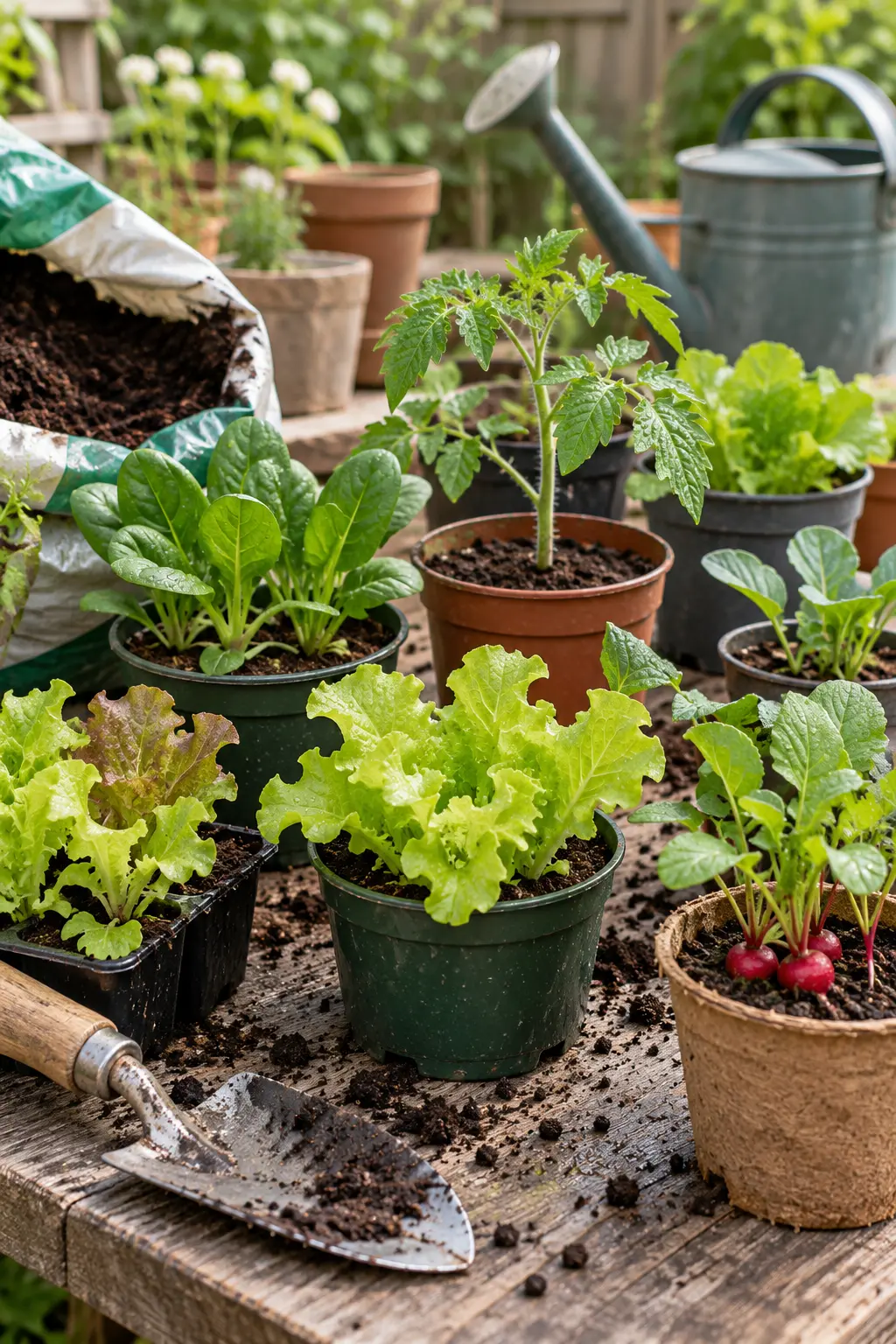
You can keep the setup simple. Start with two or three containers rather than buying supplies for a dozen crops at once.
Use containers with drainage holes
Excess water needs a way to escape. Without drainage, the potting mix can stay waterlogged and deprive roots of oxygen. If you use saucers to protect a deck or balcony, empty standing water after watering.
Choose potting mix, not heavy garden soil
Use a quality potting mix made for containers. Garden soil can compact in a pot and drain poorly. Check the mix label because some products already contain fertilizer while others do not.
Water the whole root zone
Water slowly until some water runs from the drainage holes. Check the mix regularly rather than following a rigid daily schedule. Small pots, terracotta containers, wind, and hot weather can dry out faster than larger plastic pots. Aim for evenly moist soil, not a permanently soggy container.
Feed according to the product label
Container plants have a limited amount of mix to draw nutrients from. If the potting mix does not contain enough fertilizer, use a suitable vegetable fertilizer and follow its label. More fertilizer is not always better; overfeeding can damage plants or encourage leafy growth at the expense of fruit.
Keep the layout practical
Place containers where plants receive the light they need and where you can water them easily. Leave enough room to reach each pot and avoid blocking walkways. On balconies, check weight limits and secure containers against wind before adding heavy, wet potting mix.
If you’re also planning a windowsill herb setup, our guide to growing an indoor herb garden explains how to think about light, containers, watering, and harvesting for herbs. Vegetables have their own needs, so use the crop-specific guidance above when choosing them.
Common Container Vegetable Gardening Mistakes
- Using a pot that is too small: Roots run out of room and the mix dries quickly. Match the container to the mature plant, not the seedling.
- Ignoring sunlight: A tomato in a dim corner may grow leaves without producing much fruit. Check the light before choosing the crop.
- Using garden soil in pots: Dense soil can compact and hold too much water. Choose a container potting mix instead.
- Watering by the calendar alone: Check the mix and weather. A breezy, hot day can dry a pot much faster than a cool, cloudy day.
- Sowing too many seeds together: Overcrowding limits airflow and root space. Thin seedlings according to the packet instructions.
- Choosing a large, sprawling crop for a tiny space: Start with compact varieties and leave enough room for mature growth.
Frequently Asked Questions
What is the easiest vegetable to grow in a pot?
Leaf lettuce and radishes are practical first choices because they fit in relatively compact containers. They still need suitable temperatures, drainage, light, and consistent moisture.
Can vegetables grow in pots on a balcony?
Yes. Choose crops that match the available sunlight and space. Leafy greens and radishes can suit smaller planters, while tomatoes and peppers need more sun and larger containers. Secure pots against wind and check balcony weight limits.
What soil is best for vegetables in containers?
Use a quality potting mix formulated for containers. It should hold moisture while allowing excess water to drain. Avoid filling pots with heavy garden soil, which can compact and drain poorly.
How often should I water potted vegetables?
There is no single schedule for every pot. Check the mix regularly and water when needed, making sure excess water can drain. Small containers and hot, windy weather often require more frequent checks.
Can I grow tomatoes in a small pot?
A tomato plant generally needs more root room than leafy greens. Choose a compact variety, use a large container, and follow the variety’s growing instructions. Penn State Extension recommends a pot at least 20 inches wide for one tomato plant.
Reliable References for Container Growing
For crop-specific details, confirm the guidance against your seed packet and local growing conditions. These university extension resources offer practical advice on containers, potting mix, light, watering, and plant support:
Start small. Learn as you grow.
Pick one leafy crop and one crop that suits your sunlight. Give each the right container, check the soil regularly, and build your garden from there. A few well-matched pots are a better start than a crowded collection of plants. Explore more practical ideas on Tiny Garden Hub.

10 Comments