How to Start a Balcony Vegetable Garden in an Apartment
A small apartment balcony can grow fresh vegetables, but the best setup depends on the sunlight, wind, space and drainage you have. Before buying pots or seedlings, spend one day checking the balcony. Then start with a few containers and crops that fit its conditions. This approach helps you avoid spending money on plants that struggle in the wrong spot.
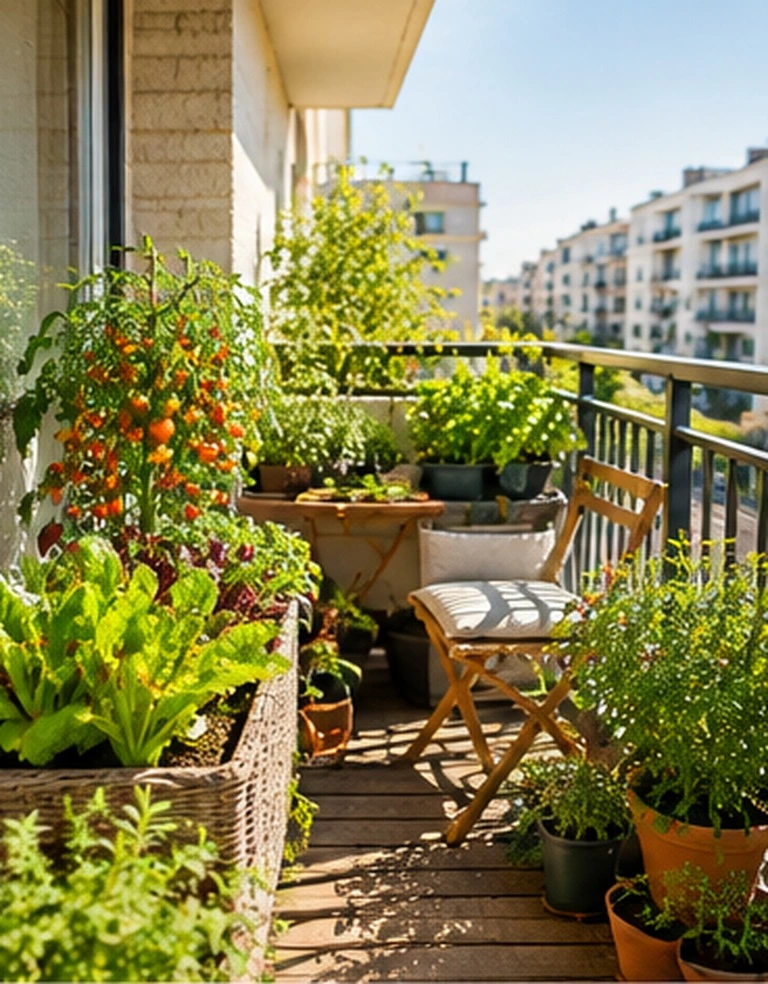
Quick balcony vegetable gardening tips: check sunlight first, confirm your building’s rules, use containers with drainage holes, choose vegetables that fit your light, start with a few plants, water by soil moisture, and secure containers and supports before tall crops need them.
1. Check Whether Your Balcony Suits Vegetables
Balconies create their own growing conditions. Nearby buildings can block direct sun, walls and paving can reflect heat, and wind can dry pots faster than you expect. Check these conditions before choosing crops.
Use a one-day sunlight check
On a clear day, look at the area where your pots will sit in the morning, around midday and in the afternoon. Record when direct sunlight reaches that spot and when shade returns. Repeat the check if the weather or nearby shade makes the result unclear.
- Morning: Is direct sunlight reaching the planned growing area?
- Midday: Does the sun reach the floor and the plant leaves, or do railings and overhangs block it?
- Afternoon: How long does direct sun continue, and does the space become very hot?
- Final check: Add up the direct-sun hours rather than judging by how bright the balcony looks.
Many fruiting vegetables, including tomatoes and peppers, need around six or more hours of direct sun for good production. Some leafy crops tolerate less. Treat these figures as a starting guide and check the needs of the specific crop and variety.
Check wind, heat and drainage
Notice whether wind regularly pushes through the balcony or knocks light objects over. Choose stable containers, place them away from exposed edges, and add plant supports before tall crops need them. Do not hang heavy planters over a railing unless the mounting system is approved for that purpose.
Hard surfaces such as concrete, brick and metal can increase heat around plants. Also plan where excess water will go. Use suitable trays if needed, empty standing water, and prevent runoff from dripping onto neighbours or shared areas.
Check apartment rules and weight limits
If you rent or live in a managed building, check rules about railing planters, attached trellises, drilling, water runoff and balcony loads. A container becomes much heavier when its growing mix is wet. If you are unsure about weight limits, ask building management rather than guessing.
2. Choose Vegetables That Fit Your Light
Choose plants based on the conditions you can provide, not just the vegetables you want to eat. Compact or dwarf varieties can save space, but they still need enough light, root room and care.
| Balcony conditions | Crops to consider | Important note |
|---|---|---|
| About 6 or more hours of direct sun | Cherry tomatoes, compact peppers, bush beans | Choose suitable varieties and provide support when needed. |
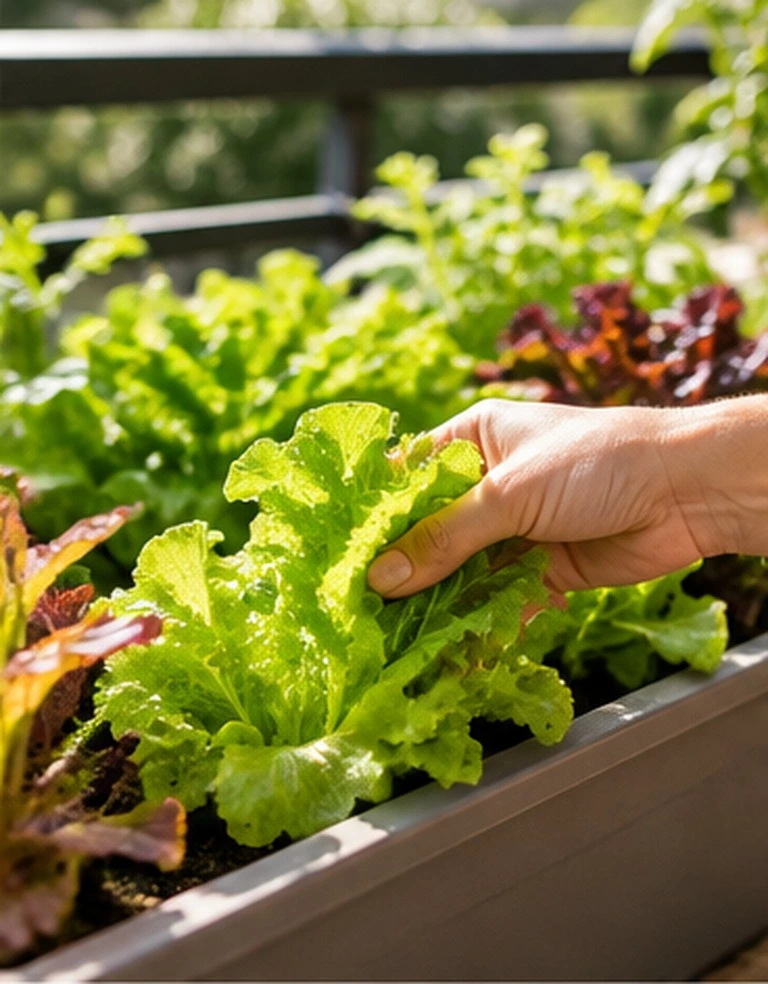
| Some direct sun and partial shade | Lettuce, spinach and radishes in a suitable season | Growth depends on season, temperature and actual light intensity. |
| Very limited direct sun | Try leafy crops suited to lower light | Deep shade limits edible growth; a brighter location or grow light may be necessary. |
| Very little floor space | Compact varieties and carefully supported vertical crops | Keep pathways clear and avoid unstable or overloaded structures. |
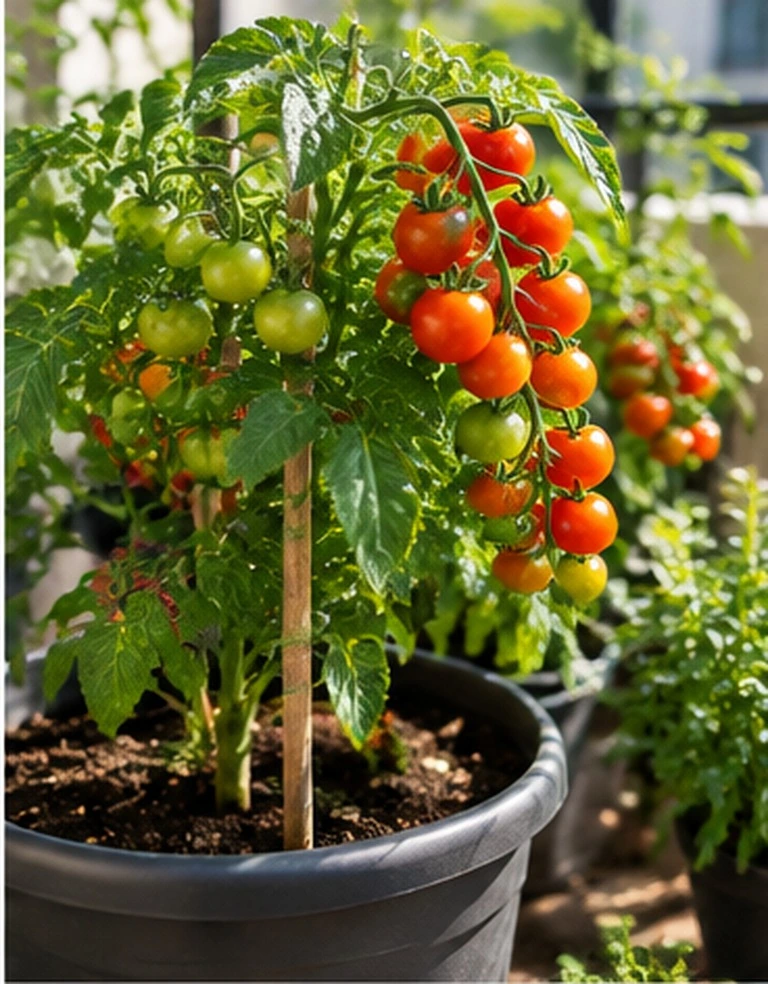
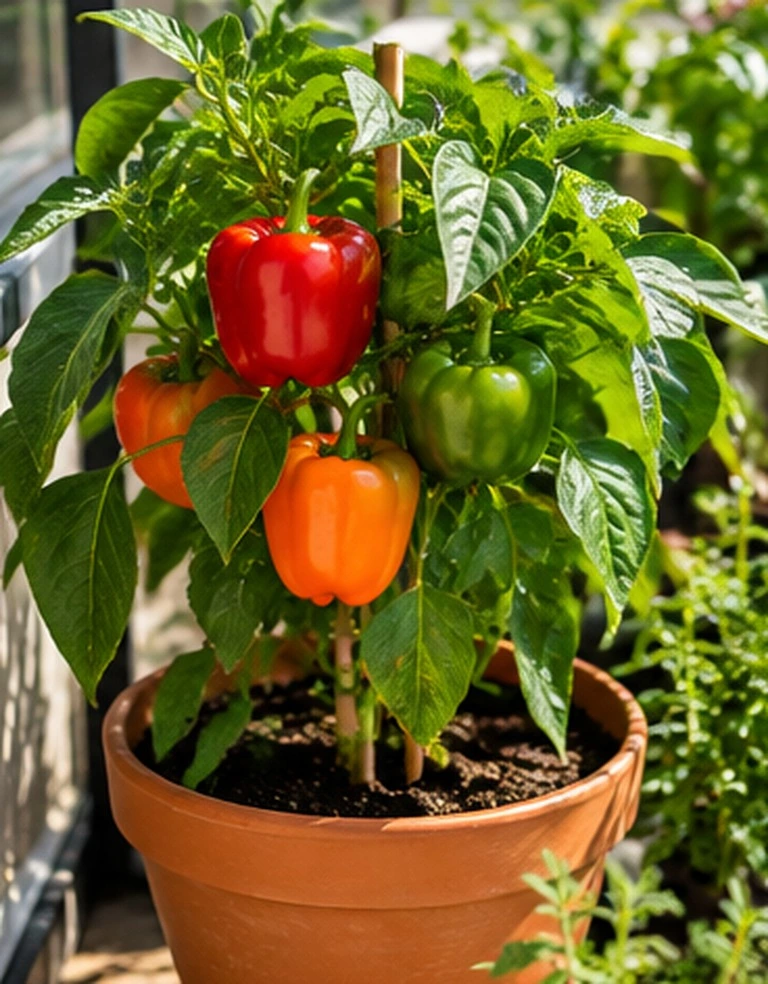
For detailed crop choices and container-friendly options, read our guide to the best vegetables to grow in pots for beginners. That guide focuses on what to grow; this one focuses on planning the balcony itself.
3. Choose Containers That Fit the Plants and Balcony
There is no single pot size that suits every vegetable. Match container depth and volume to the plant’s mature size and root system. Follow the seed packet, plant label or a reliable crop-specific growing guide for exact requirements.
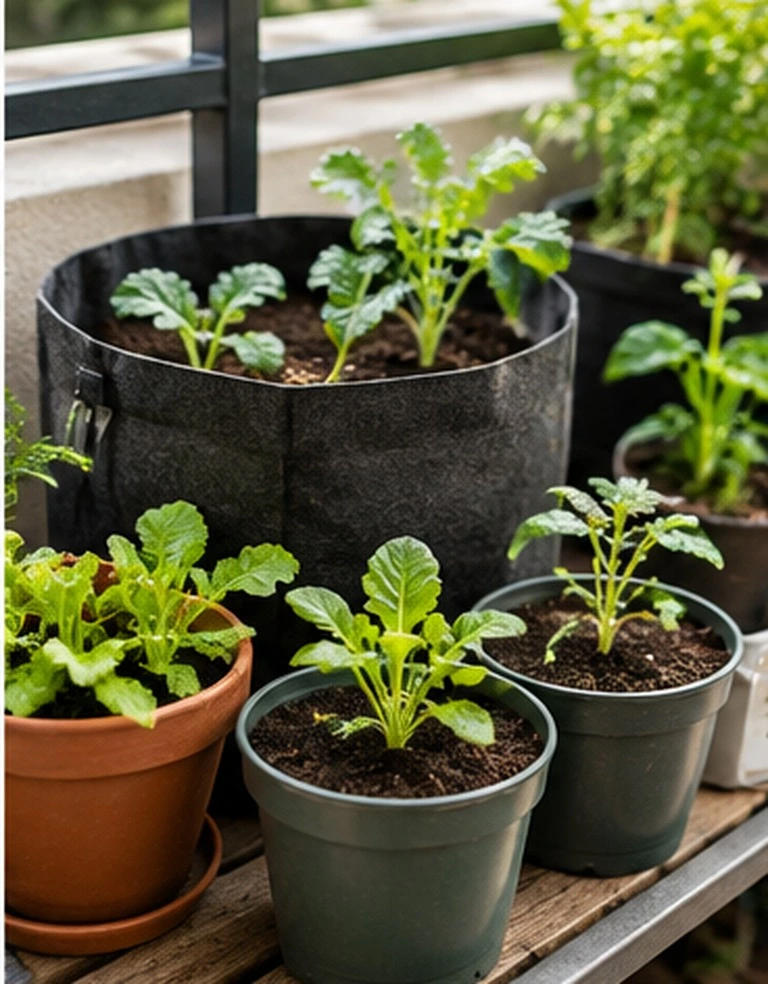
- Plastic pots: Usually light and easy to move.
- Fabric grow bags: Useful for many vegetables, though they can dry out quickly in hot or windy conditions.
- Terracotta pots: Attractive and breathable, but porous material can lose moisture faster.
- Rectangular planters: Make efficient use of narrow spaces when plants have enough room.
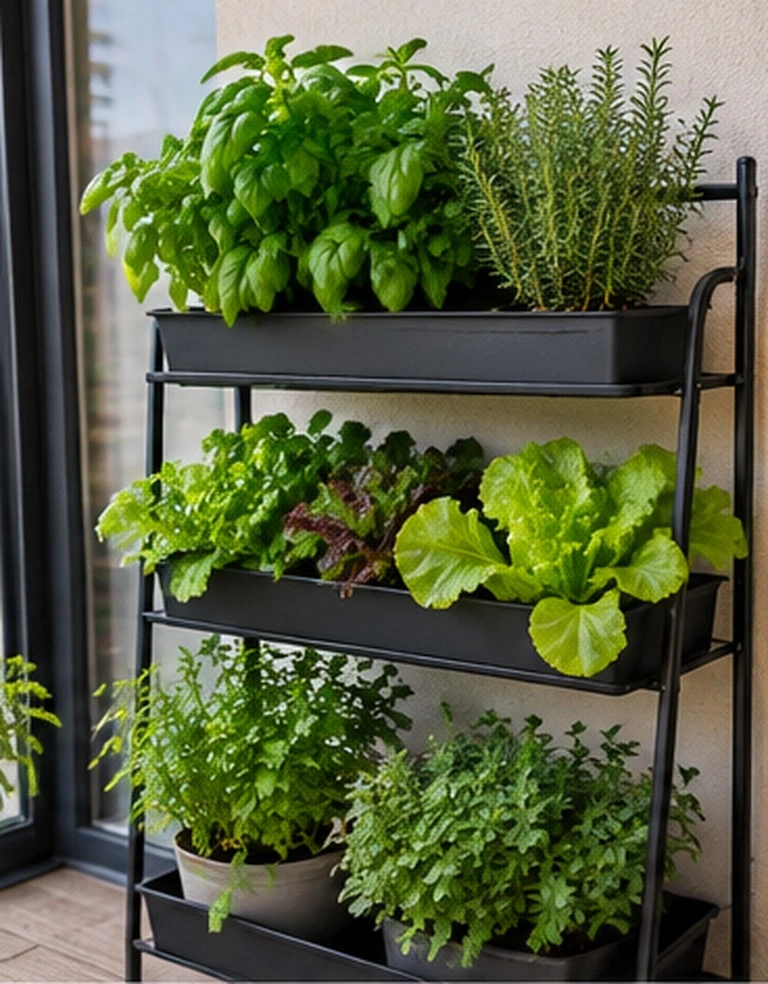
- Vertical planters: Use height, but check stability, access for watering and safe drainage.
Every container needs drainage holes or a design that safely drains excess water. A layer of rocks at the bottom does not replace drainage holes. Avoid containers that previously held chemicals or other substances unsafe for food plants.
4. Fill Pots With a Suitable Container Mix
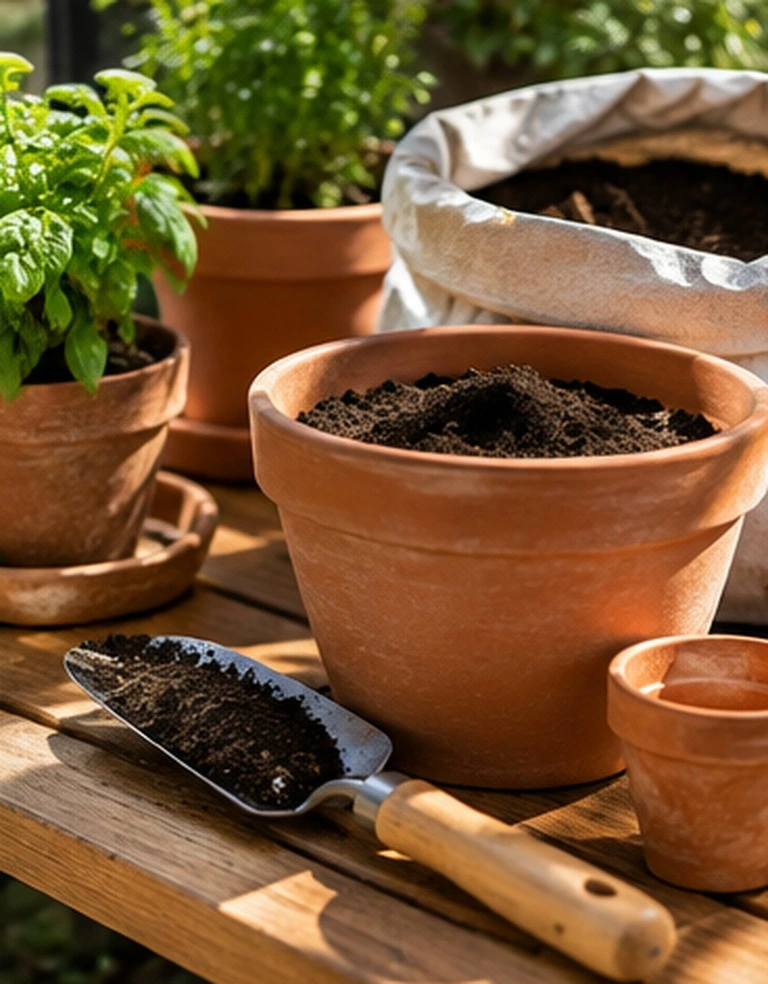
Use a quality potting mix labelled for containers rather than filling pots with ordinary garden soil. Container mixes help balance water retention, air around roots and drainage while keeping the pot lighter than many garden soils.
Fill the pot without compressing the mix tightly and leave a little room at the top for watering. Check whether the mix already contains fertilizer before adding more; follow the label to avoid overfeeding plants.
5. Plan a Small Starter Garden Before You Expand
Start with three to five containers. This gives you room to learn how quickly pots dry, which areas receive the best light and how much time plant care takes. Treat this layout as an example and adjust it to your space, season and local growing conditions.
- One sunny container: A compact cherry tomato, if the balcony gets enough direct sun and the pot can support its mature size.
- One sunny container: A compact pepper, if the light and growing season suit it.
- One planter: Lettuce or another leafy crop suited to the available light and season.
- One small container: Radishes or green onions, following the spacing and depth guidance on the seed packet.
- Optional fifth container: Add a second leafy crop only if you have room to reach and water everything.
Keep the walking area clear, put tall plants where they will not shade smaller crops unnecessarily, and add cages or supports before plants become large. Avoid placing all containers in one dense cluster if that makes watering and airflow difficult.
6. Water and Feed Plants Based on Their Needs
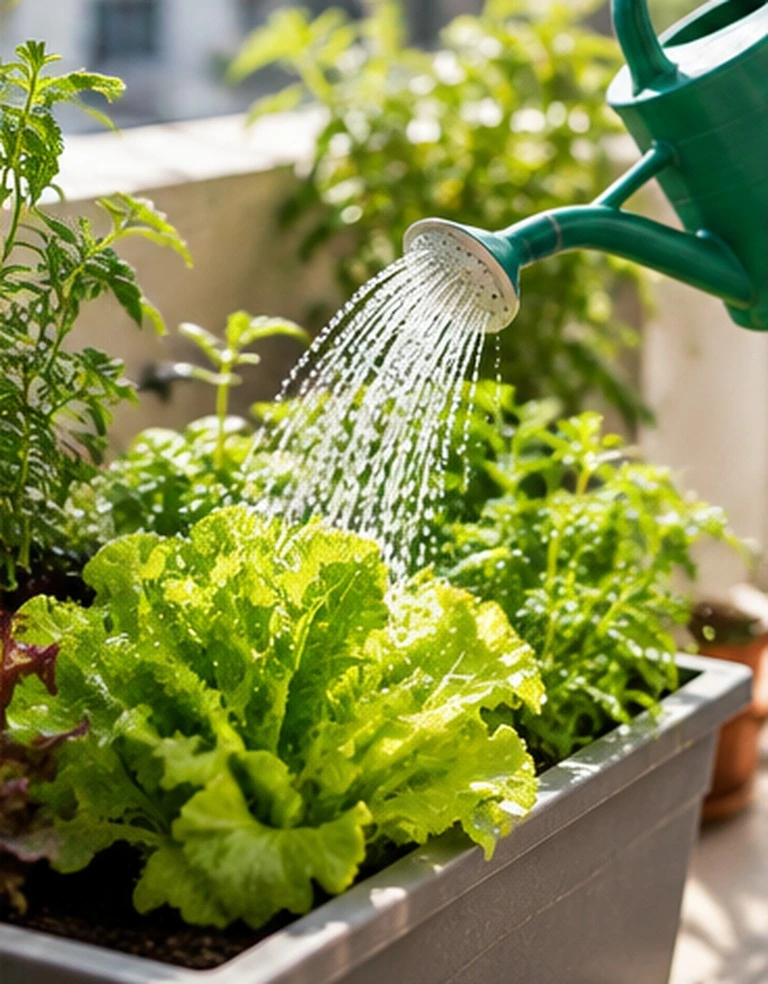
Container plants have a limited amount of growing mix, so moisture can change quickly. Pot size, plant maturity, material, wind, temperature and sunlight all affect watering needs. A fixed schedule will not suit every balcony.
- Check the mix before watering; the surface can look dry while the root area remains moist.
- When a plant needs water, water the growing mix thoroughly and let excess drain away.
- Empty saucers when necessary so roots do not sit in standing water.
- Check containers more often during hot, dry or windy weather.
- Follow fertilizer instructions and account for any nutrients already in the potting mix.
7. Fix the Most Common Balcony Gardening Problems
- Plants grow tall but produce little: Check direct-sun hours and confirm that the crop suits the season.
- Pots dry out too fast: Check container size, wind exposure and how often you inspect moisture.
- Plants wilt in wet mix: Check drainage and avoid letting pots sit in collected water.
- Plants crowd one another: Use mature plant size—not seedling size—to plan spacing.
- Pots or supports wobble: Move them to a safer position and secure supports before plants grow larger.
- Leafy crops bolt in heat: Check the crop’s preferred season and consider a cooler growing period.
8. Your First-Week Balcony Garden Checklist
- Day 1: Record direct sunlight in the intended growing area.
- Day 2: Check wind exposure, reflected heat, water access and runoff.
- Day 3: Confirm building rules and think about the weight of filled, watered containers.
- Day 4: Choose crops suited to the light and season.
- Day 5: Select stable containers with suitable root space and drainage.
- Day 6: Get container potting mix and prepare the growing area.
- Day 7: Plant a manageable number of crops and make a note of their watering and care needs.
This is a planning sequence, not a promise that you must buy or plant something every day. Take longer if you need to confirm building rules or choose the right crops.
Frequently Asked Questions
Can you grow vegetables on an apartment balcony?
Yes. Many vegetables can grow in balcony containers when the light, root space, drainage and care suit the crop. Start with a few plants rather than filling the whole balcony at once.
What vegetables are easiest to grow on a balcony?
Lettuce, radishes and green onions can be practical options when the season and light suit them. Cherry tomatoes and compact peppers can also work on sunny balconies with appropriately sized containers.
How much sunlight does a balcony vegetable garden need?
It depends on the vegetable. Many fruiting crops need around six or more hours of direct sunlight, while some leafy crops tolerate less. Check the needs of the variety you choose and measure the light at the actual growing spot.
Can vegetables grow on a shady balcony?
Some leafy crops may tolerate partial shade, but deep shade limits growth and usually makes fruiting vegetables difficult. Choose crops for the light available, or consider a brighter spot or suitable grow light.
What soil should I use for balcony vegetables?
Use a quality potting mix designed for containers. It should retain enough moisture while allowing excess water to drain. Ordinary garden soil can become too dense in pots.
How often should I water balcony vegetables?
Check the moisture in the growing mix instead of relying on a fixed schedule. Small pots, hot weather, wind and mature plants can increase water needs. Water thoroughly when needed and let excess water drain.
Are balcony vegetable gardens safe for apartments?
They can be, but follow building rules, check load limits, secure containers and supports, and prevent runoff from affecting neighbours. Ask building management if you are unsure about heavy planters or railing systems.
Start With the Balcony You Have
The best apartment balcony vegetable garden is the one that matches your real conditions. Measure the sunlight, check wind and drainage, choose crops that suit the space, and begin with a few manageable containers. Expand only after you know how your balcony behaves and how much care your plants need.
For more help choosing crops, read our guide to the best vegetables to grow in pots. If you want to grow herbs indoors as well, explore our beginner’s indoor herb garden guide, best herbs for a windowsill, and small-space herb garden ideas.

6 Comments