
Microgreens vs. Sprouts: What’s the Difference?
Microgreens and sprouts both start as seeds, but they are harvested at different stages. Sprouts are eaten as a whole young seedling, while microgreens grow longer under light and are cut above the growing medium. That difference affects how you grow them, how they taste, and how you handle food safety.
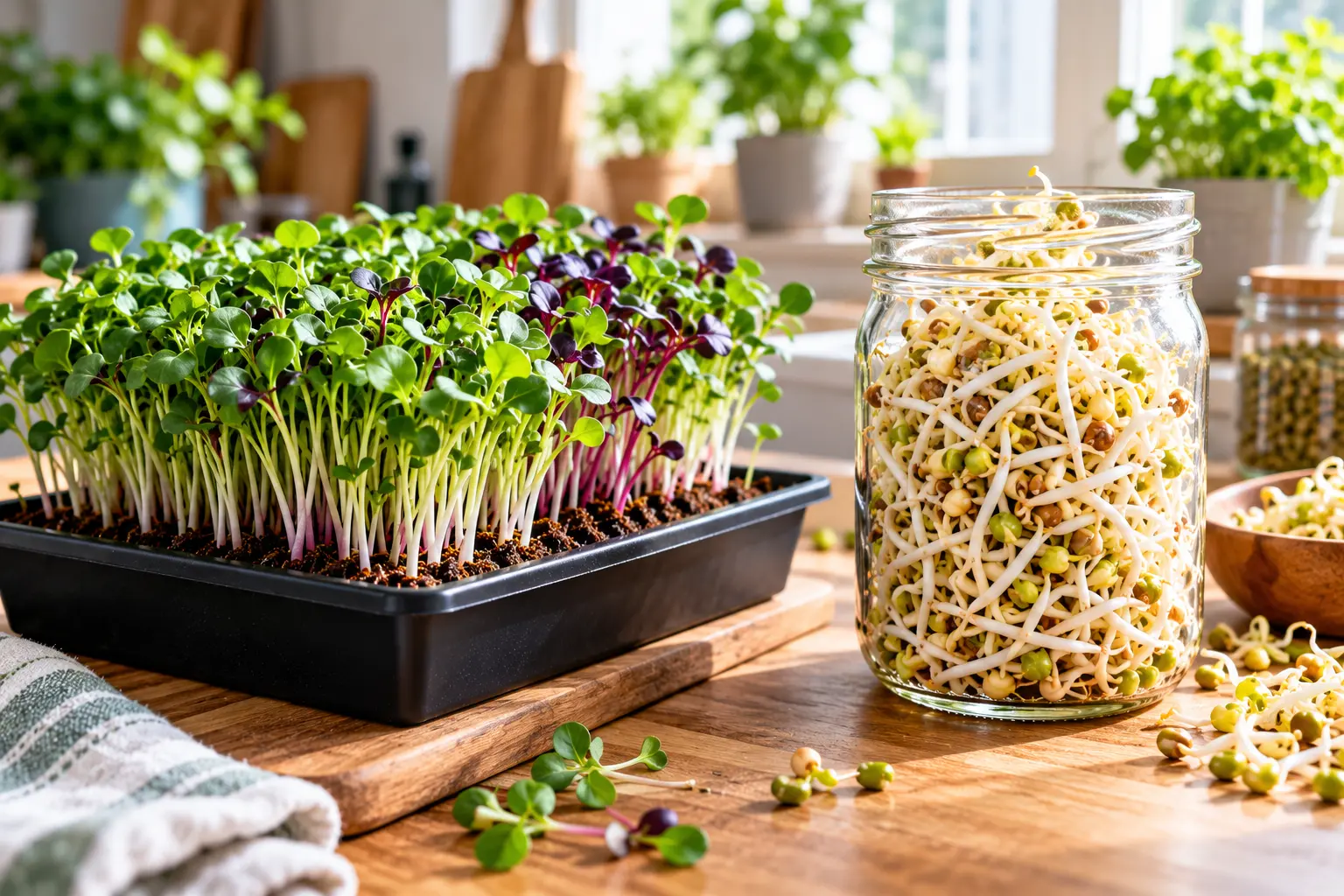
If you are new to growing edible plants indoors, the right choice depends on what you want from the harvest. Sprouts are compact and quick. Microgreens take longer but give you tender leaves for toppings, garnishes, and fresh meals. Here is how the two compare.
Microgreens vs. Sprouts: Key Differences at a Glance
| Feature | Sprouts | Microgreens |
|---|---|---|
| Growth stage | Very early germination, before true leaves develop | Young seedlings with open seed leaves; some begin forming true leaves |
| Typical setup | Jar or sprouting tray with frequent rinsing and draining | Shallow tray with soil, coco coir, or another suitable growing medium |
| Light | Often grown with little or no light | Needs light after germination for healthy green growth |
| Time to harvest | Often about 2–5 days, depending on the seed and conditions | Often about 7–21 days after germination, depending on variety and conditions |
| Edible parts | Commonly the seed, shoot, and root | Mainly the stems and leaves cut above the growing medium |
| Texture and flavor | Usually crisp and juicy, though flavor varies | Tender and leafy, with flavors ranging from mild to peppery |
| Best fit | People who want a quick harvest and can follow careful sprout-safety practices | People who want fresh leaves for sandwiches, eggs, salads, bowls, and garnishes |
These harvest times are general ranges, not guarantees. Seed type, temperature, moisture, and growing conditions all affect how quickly a crop is ready.
What Are Sprouts?
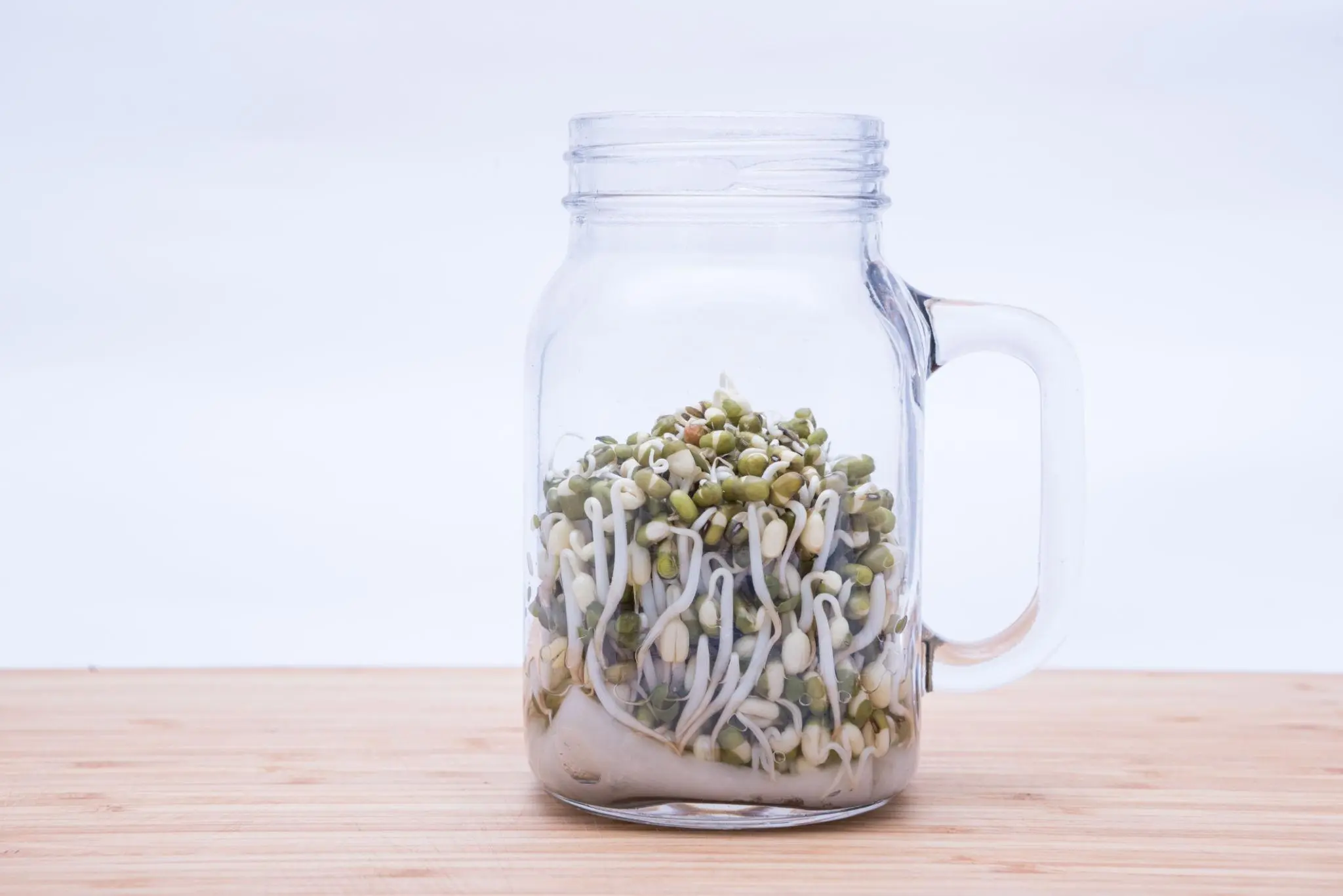
Sprouts are seeds that have just begun to germinate. People commonly grow them in a jar or sprouting tray, rinse them with water, and drain them regularly. Because the seedling is harvested early, the seed, shoot, and root are often eaten together.
Common examples include mung bean, alfalfa, clover, and broccoli sprouts. The setup can fit on a kitchen counter, and many batches are ready within a few days. That speed is convenient, but it comes with an important food-safety consideration: warm, moist sprouting conditions can also allow harmful bacteria to multiply if they are present on the seed.
What Are Microgreens?
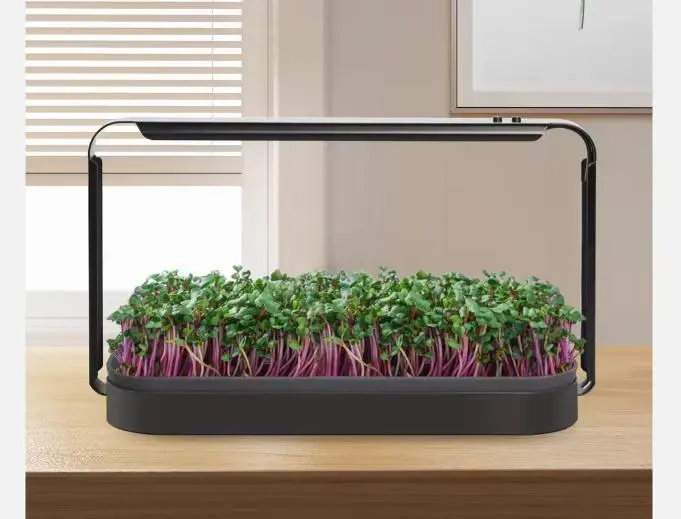
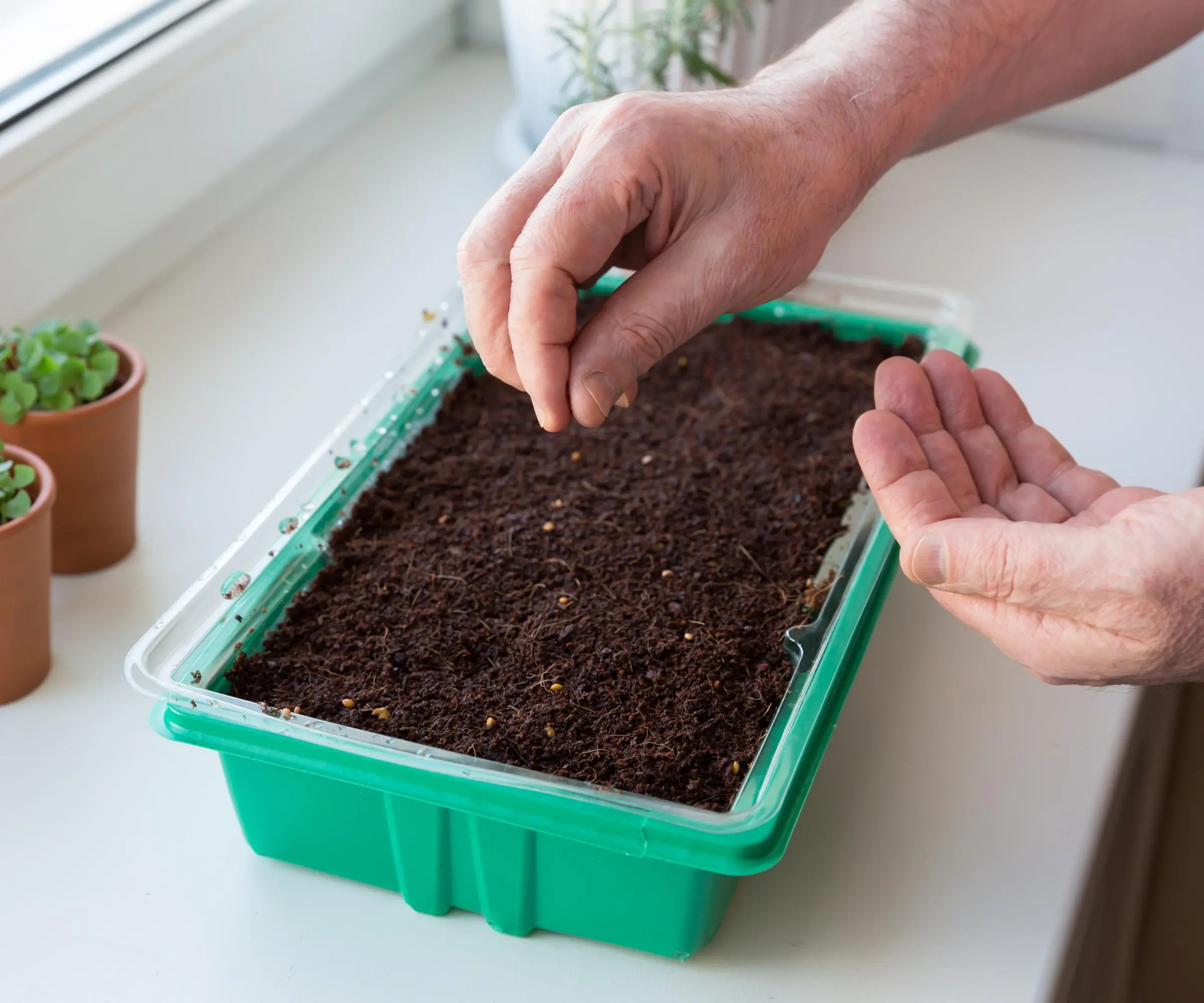
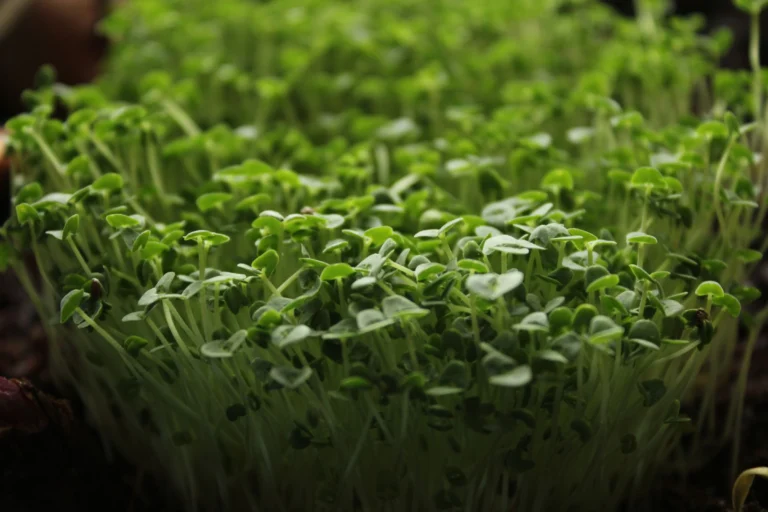
Microgreens are young edible seedlings grown a little longer than sprouts. Growers sow seeds on a shallow layer of suitable growing medium, provide moisture, and give the seedlings light as they develop. They are generally harvested when the seed leaves have opened and the first true leaves may be emerging.
At harvest, the grower cuts the stems just above the medium. The roots and growing medium stay in the tray, so the edible portion is mainly the stems and leaves. Radish, broccoli, kale, mustard, arugula, pea shoots, and sunflower are familiar choices, with different flavors and harvest times.
New to growing microgreens?
Our step-by-step guide explains seed selection, trays, growing medium, light, watering, and harvesting. Read how to grow microgreens at home before starting your first tray.
How Do Their Growing Methods Differ?
Growing sprouts
- Use seeds sold for sprouting and intended for food use.
- Follow the supplier’s soaking, rinsing, and draining instructions.
- Keep jars and equipment clean, and avoid standing water.
- Follow reliable food-safety guidance when harvesting and eating them.
Growing microgreens
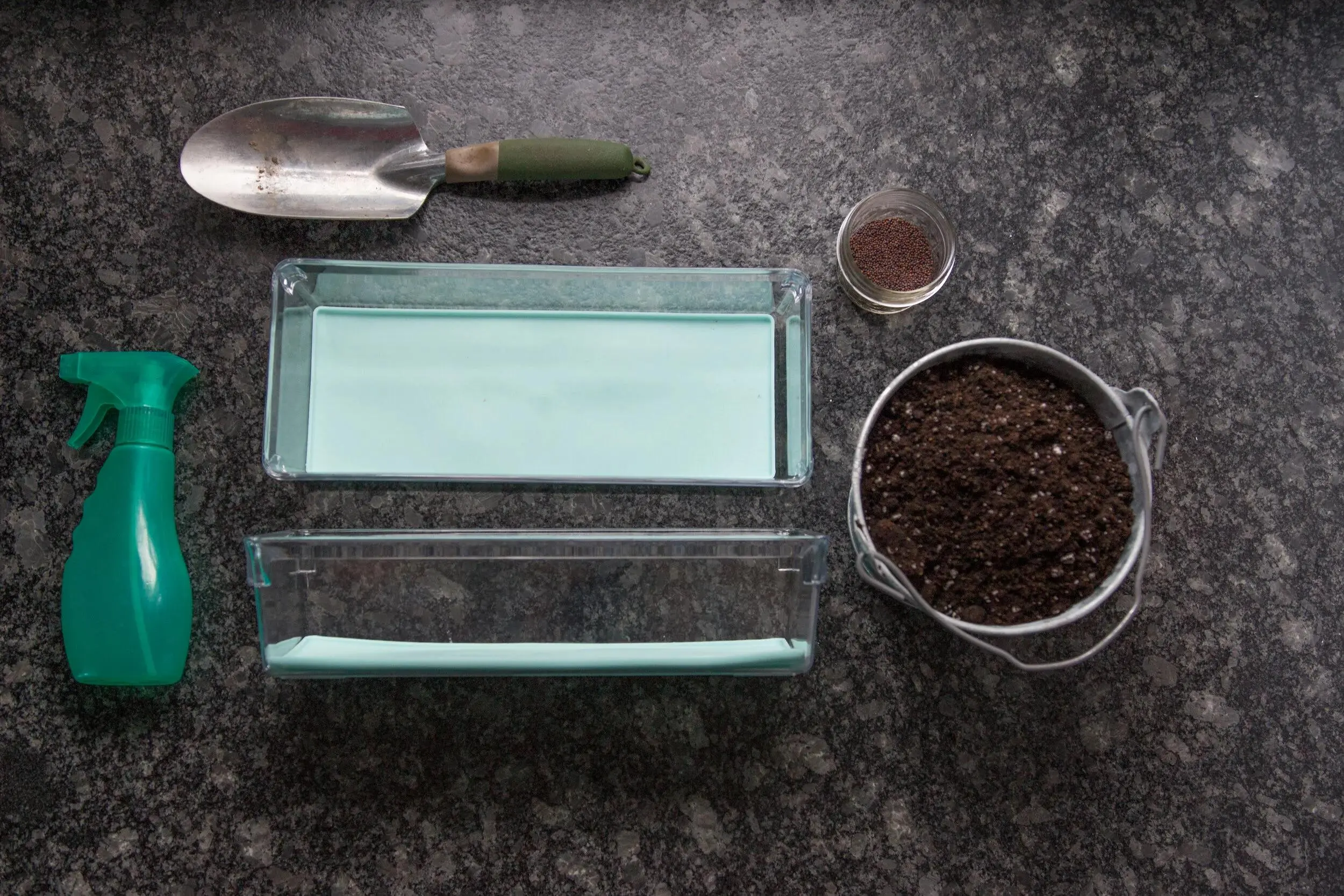
- Use clean trays and seed intended for edible crops.
- Sow on a suitable growing medium or mat designed for microgreens.
- Provide adequate light and airflow as seedlings grow.
- Use clean scissors to cut above the medium and handle the harvest safely.
Neither method is complicated, but they are not interchangeable. If your goal is leafy shoots, follow a microgreens growing method rather than treating them like jar sprouts.
For more on choosing growing materials for edible plants, see our guide to the best soil mix for vegetables in pots. Microgreens often need a shallower setup than full-size container vegetables, so choose a medium suitable for the crop and tray.
Taste, Texture, and Ways to Use Them
Sprouts often bring a fresh crunch and a juicy bite. Their flavor can be mild, peppery, or bean-like depending on the seed. People add them to sandwiches and other dishes, but raw sprouts need special care because of their food-safety risks.
Microgreens give you more of a leafy texture. Radish and mustard can taste peppery; pea shoots tend to be sweet and fresh; sunflower shoots are often crisp and nutty. Use a small handful on eggs, sandwiches, rice bowls, tacos, or salads. Their flavor is strongest when you choose a variety that suits the dish.
If you want to compare individual varieties before planting, browse our guide to 10 types of microgreens for beginners. It focuses on flavor, harvest estimates, and varieties that may suit a first tray.

Microgreens vs. Sprouts: Which Is More Nutritious?
There is no single answer for every seed. Both sprouts and microgreens can provide nutrients, but their composition varies with plant species, seed variety, growing conditions, and harvest stage. Some microgreens contain substantial amounts of certain vitamins and plant compounds, but it is not accurate to claim that every microgreen is always more nutritious than every sprout.
Sprouts are eaten with the seed and root, while microgreens are harvested for their stems and leaves. Those differences affect what ends up on the plate, but neither food is a complete substitute for a varied diet. Include a range of vegetables, fruits, legumes, and other foods across your meals.
Food Safety: What Should You Know?
Food safety is one of the most important differences between sprouts and microgreens. Sprouting seeds are kept warm and moist, conditions that can allow pathogens such as Salmonella, E. coli, and Listeria to multiply if they are present. Rinsing sprouts does not reliably remove bacteria that have grown inside or on the seed.
The U.S. Food and Drug Administration advises children, older adults, pregnant people, and people with weakened immune systems to avoid raw or lightly cooked sprouts of any kind. Thorough cooking reduces the risk. Follow current FDA advice and relevant product recall notices rather than assuming home-grown sprouts are automatically safe.
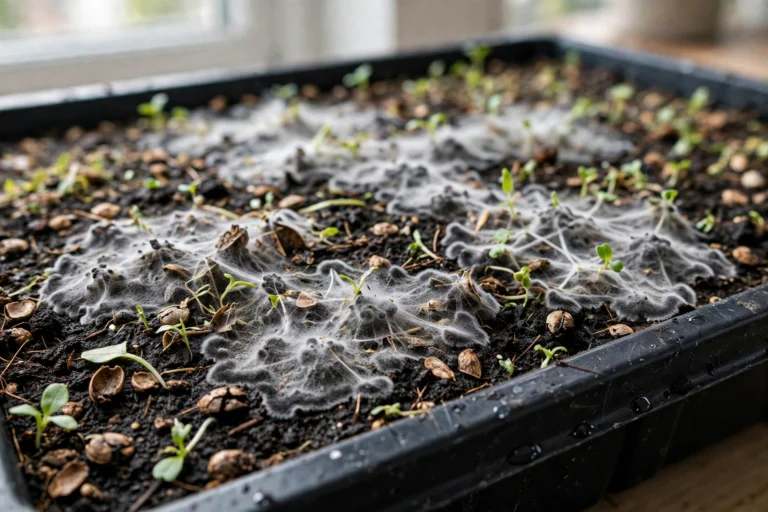
Microgreens are grown and harvested differently, but they are not risk-free. Seeds, water, growing media, hands, tools, trays, and storage can introduce contamination. Start with clean equipment, use seeds intended for edible production, keep the growing area clean, wash your hands, and refrigerate harvested greens promptly. Rinse produce under clean running water before eating; washing cannot guarantee that contaminated produce becomes safe.
Which Should You Choose?
Sprouts may suit you if…
- You want a harvest in just a few days.
- You have very little counter space.
- You are prepared to follow careful sprouting and food-safety practices.
Microgreens may suit you if…
- You want leafy shoots with distinct flavors.
- You can provide a tray, growing medium, and light.
- You want fresh garnishes for everyday meals.
For many first-time indoor growers, microgreens are a satisfying project because you can watch seedlings develop and choose from several flavors. Start with a small tray and one easy variety instead of buying lots of equipment at once.
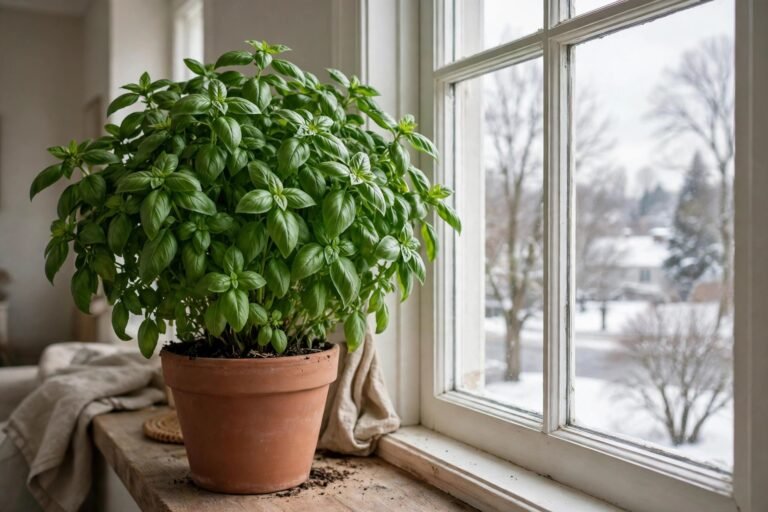
If you are building a broader indoor edible garden, our indoor herb garden guide has ideas for growing useful herbs in a limited space.
For more beginner-friendly ideas and practical growing guides, visit TinyGardenHub.
Frequently Asked Questions
Are microgreens the same as sprouts?
No. Sprouts are harvested soon after seeds germinate and are commonly eaten whole, including the seed and root. Microgreens grow longer under light and are cut above the growing medium, so the edible portion is mainly the stem and leaves.
Which grows faster, sprouts or microgreens?
Sprouts usually grow faster. Many are ready in about 2–5 days, while microgreens often take around 7–21 days after germination. The exact timing depends on the seed variety and growing conditions.
Are microgreens safer than raw sprouts?
Raw sprouts have a recognized food-safety risk because warm, humid germination can let harmful bacteria multiply. Microgreens use a different growing and harvest method, but they can still become contaminated. Neither should be described as risk-free; follow reliable produce-handling guidance.
Can you grow microgreens in water?
Some growers use purpose-made mats or hydroponic systems rather than soil. Microgreens grow into young shoots under light and are cut above their growing surface; jar sprouts are typically harvested earlier and eaten whole. Use a clean setup designed for edible crops.
Which is healthier: broccoli sprouts or broccoli microgreens?
It depends on which nutrients or plant compounds you compare, as well as the variety and growing conditions. Avoid assuming one is always better. For a specific compound, look for research that measures it in the exact foods and growing stages being compared. To grow the microgreen version, see our broccoli microgreens guide.
Do microgreens regrow after cutting?
Many microgreens are grown for a single harvest. Some plants may produce limited regrowth, but it is often uneven and less practical than sowing a fresh tray. Regrowth depends on the species and how much of the seedling remains after cutting.
Sources and Further Reading
These sources support the growing-stage definitions and food-safety guidance discussed above:
- Penn State Extension: The ABCs of Microgreens — definitions, harvest stage, and typical harvest window.
- Penn State Extension: Ensuring Food Safety in Microgreens Production — food-safety considerations for microgreens.
- U.S. FDA: Selecting and Serving Produce Safely — produce safety and guidance for people at higher risk of foodborne illness.


4 Comments